
End of Lease Commercial Cleaning Guide [2026]
Learn why hire a commercial cleaning services improves hygiene, safety, and productivity while saving time and delivering professional results.

Learn why hire a commercial cleaning services improves hygiene, safety, and productivity while saving time and delivering professional results.
Learn why hire a commercial cleaning services improves hygiene, safety, and productivity while saving time and delivering professional results.
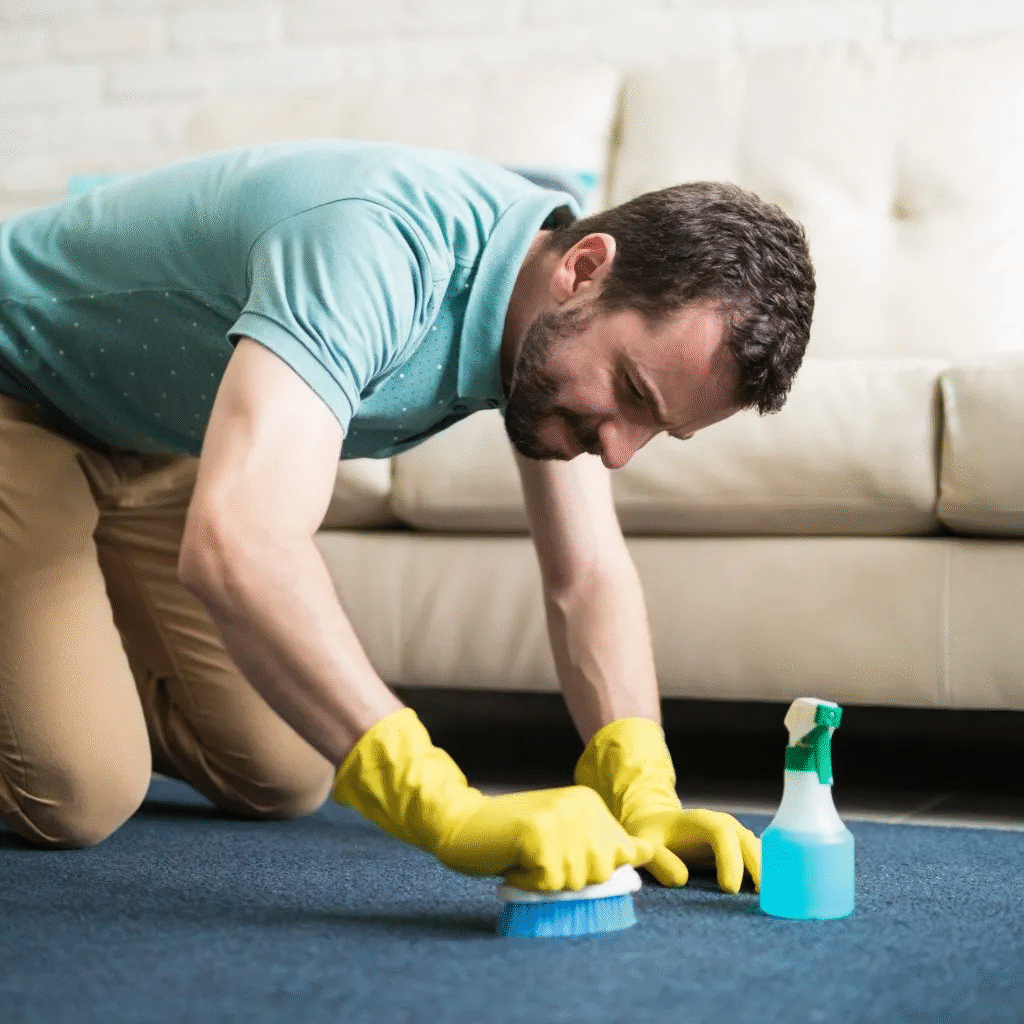
Understand how commercial and residential carpet cleaning differ in process, cost, and results so you can choose the right cleaning service.
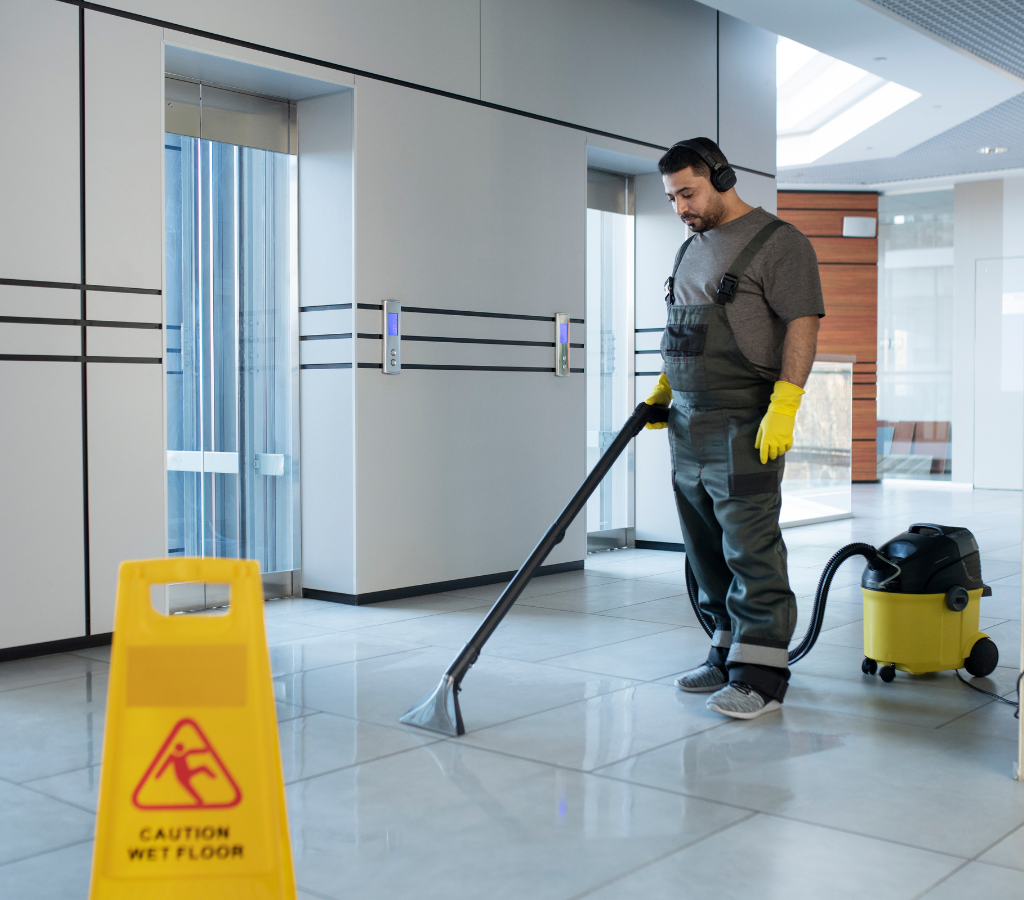
Understand commercial floor cleaning, its importance, and effective methods used to maintain cleanliness, safety, and durability in business spaces.

Learn how commercial cleaning saves your business money by reducing repairs, boosting staff productivity, extending asset life, and improving hygiene daily.
Learn how commercial cleaning saves your business money by reducing repairs, boosting staff productivity, extending asset life, and improving hygiene daily.
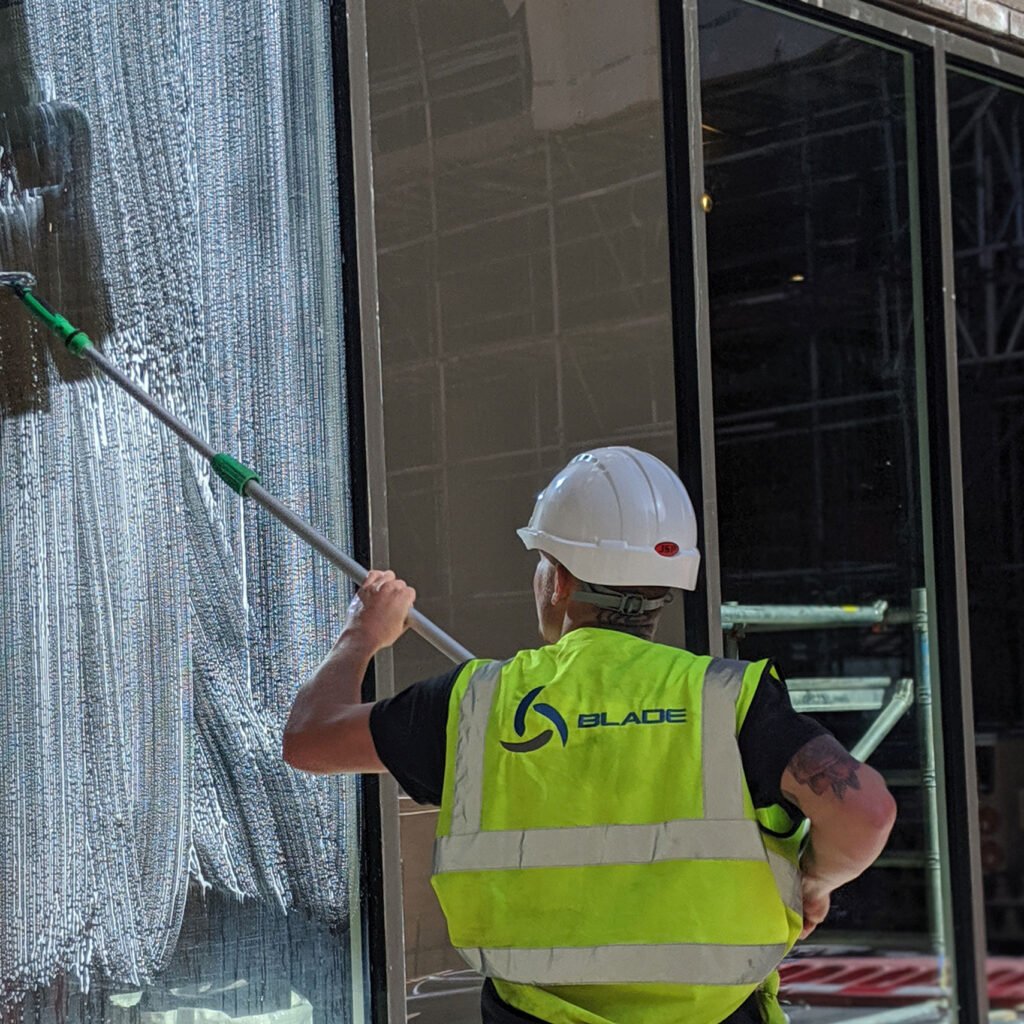
Learn what commercial window cleaning is, how it works, cleaning methods, costs, and how often businesses should clean windows for better appearance and maintenance.
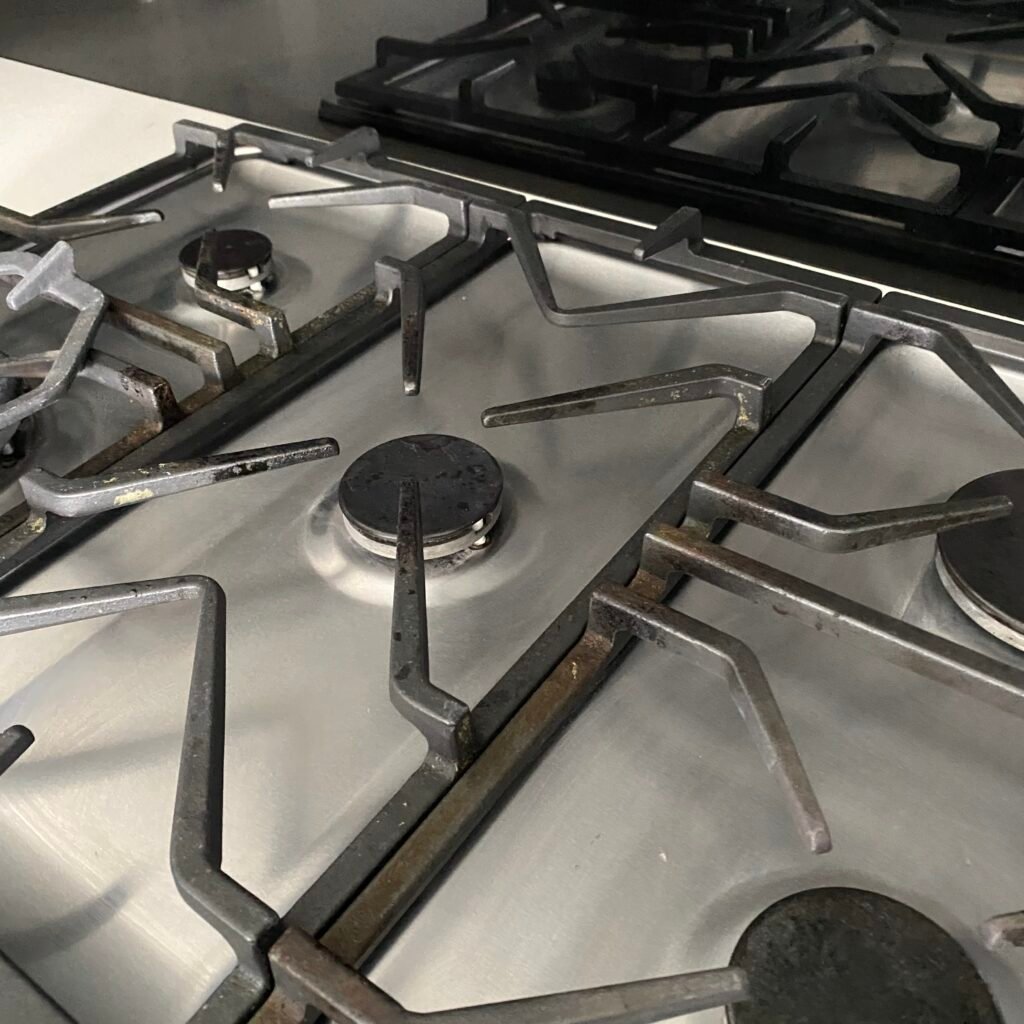
Key Takeaways About Commercial Kitchen Cleaning Health & Safety Compliance: Regular commercial kitchen cleaning helps Sydney restaurants and cafés meet NSW food safety regulations and health inspection standards. Grease & Grime Removal: Professional cleaning removes built-up grease, oil, and food residue from exhaust systems, floors, walls, and cooking equipment. Improved Hygiene Standards: Deep cleaning reduces bacteria, cross-contamination risks, and pests in food preparation areas. Specialised Equipment & Chemicals: Professional cleaners use commercial-grade degreasers, steam cleaning, and sanitising solutions designed for food environments. Better Kitchen Efficiency: A clean kitchen improves workflow, equipment performance, and staff productivity. Fire Hazard Reduction: Removing grease buildup from hoods, ducts, and vents lowers the risk of kitchen fires. Flexible Cleaning Schedules: Services can be scheduled daily, weekly, or as periodic deep cleans depending on kitchen usage. Protects Business Reputation: Maintaining a spotless kitchen helps businesses pass inspections and maintain customer trust. If you run a restaurant, cafe, catering business, or aged care facility in Sydney, you already know one thing: a dirty kitchen is not just an inconvenience. It is a legal liability, a fire risk, and a direct threat to your business reputation. Sydney’s food service industry operates under some of the most rigorous hygiene standards in Australia. The NSW Food Authority enforces mandatory inspections, and the Scores on Doors program makes those results visible to every single customer who walks through your door. A 3-star rating when your competitor next door displays 5 stars is a commercial disadvantage that shows up long before anyone complains. Whether you are managing the cleaning yourself or looking to hand it over to a trusted commercial cleaning service in Sydney, this is the most thorough, practical guide available for Australian conditions. What Is Commercial Kitchen Cleaning and Why Does It Differ From Domestic Cleaning? Commercial kitchen cleaning is the systematic process of removing grease, carbon deposits, food debris, biological matter, and chemical residues from every surface, piece of equipment, drain, and storage area within a food preparation facility. Unlike domestic kitchen cleaning, which typically involves wiping surfaces and washing dishes after daily use, commercial kitchen cleaning operates at a completely different scale and intensity. A single busy service period in a Sydney restaurant can generate more grease vapour, food splatter, and organic waste than a domestic kitchen produces over an entire week. The key distinctions between domestic and commercial kitchen cleaning are: Volume and frequency of use: Commercial kitchens operate for multiple services per day, generating compounding layers of grease, steam, and bacteria. Regulatory accountability: Commercial kitchens are subject to mandatory inspections under the NSW Food Standards Code and must maintain documented cleaning records. Equipment complexity: Commercial appliances, including conveyor ovens, multi-pan fryers, salamanders, steamers, and exhaust canopy systems, require specialist knowledge and food-safe degreasers to clean correctly. Cross-contamination risk: The consequences of inadequate cleaning in a commercial environment are significantly more serious, including foodborne illness outbreaks that can affect dozens or hundreds of people. Fire and safety risk: Grease accumulation in exhaust systems creates a documented fire hazard that has caused commercial kitchen fires across Sydney’s hospitality venues What Does a Commercially Clean Kitchen Actually Mean? A commercially clean kitchen, as defined by the Food Standards Australia New Zealand (FSANZ) and the NSW Food Authority, is one where there is no visible accumulation of food waste, dirt, grease, or recycled matter on any surface, and where all surfaces that contact food have been cleaned and sanitised to reduce bacteria to safe levels. This means cleaning is a two-step process: Cleaning: Physical removal of food particles, grease, and soil using mechanical action and detergent. Sanitising: Application of a sanitising agent to reduce pathogenic microorganisms to a safe level after cleaning has been completed It is a common mistake in commercial kitchens to skip step two or to apply sanitiser to a surface that has not been cleaned first. Sanitisers cannot penetrate a layer of grease or organic matter effectively. Both steps are mandatory under Standard 3.2.2 of the Food Standards Code. NSW Food Authority Standards Every Sydney Kitchen Must Meet Understanding Standard 3.2.2: Food Safety Practices and General Requirements The primary regulation governing commercial kitchen cleanliness in New South Wales is Standard 3.2.2 of the Food Standards Australia New Zealand Code. This standard requires that any food business must: Maintain all fixtures, fittings, and equipment in a clean and sanitary condition. Ensure food contact surfaces are effectively cleaned and sanitised before and after each use. Keep all storage areas free from accumulated food waste, grease, and debris. Ensure hand-washing facilities are clean, supplied with warm running water, liquid soap, and single-use drying materials. Dispose of food waste in a manner that prevents the spread of contamination Non-compliance with Standard 3.2.2 can result in formal warnings, on-the-spot fines, mandatory closure orders, and public listing on the NSW Food Authority’s Name and Shame register. The Scores on Doors Program: How Your Cleaning Standards Become Public The Scores on Doors program, administered by the NSW Food Authority, publicly displays food safety inspection results on a 1 to 5 star rating visible to customers entering your premises. Here is what each rating means: Score Rating What It Means for Your Business? 5 Stars Excellent Full compliant, a competitive advantage you can use in your marketing 4 Stars Very Good Minor improvements needed but broadly compliant 3 Stars Good Compliance achieved but noticeable deficiencies noted 2 Stars Adequate Significant concerns raised, re-inspection likely 1 Star Improvement Required Serious issues, immediate action required A 3-star rating, while technically a pass, tells your customers that a competitor with 5 stars maintains higher hygiene standards. For Sydney restaurants competing in a saturated market, a publicly visible rating below 5 stars is a commercial disadvantage. What NSW Food Authority Inspectors Check in Your Kitchen When an inspector visits your Sydney food premises, they will assess the following specific areas: Food contact surfaces: Cutting boards, food preparation benches, slicers, and mixing bowls must be free of food residue and sanitised. Cooking equipment: Ovens, grills, and fryers must
Learn eco friendly carpet cleaning methods that remove stains and odours safely using low-tox products, steam cleaning, and natural solutions.
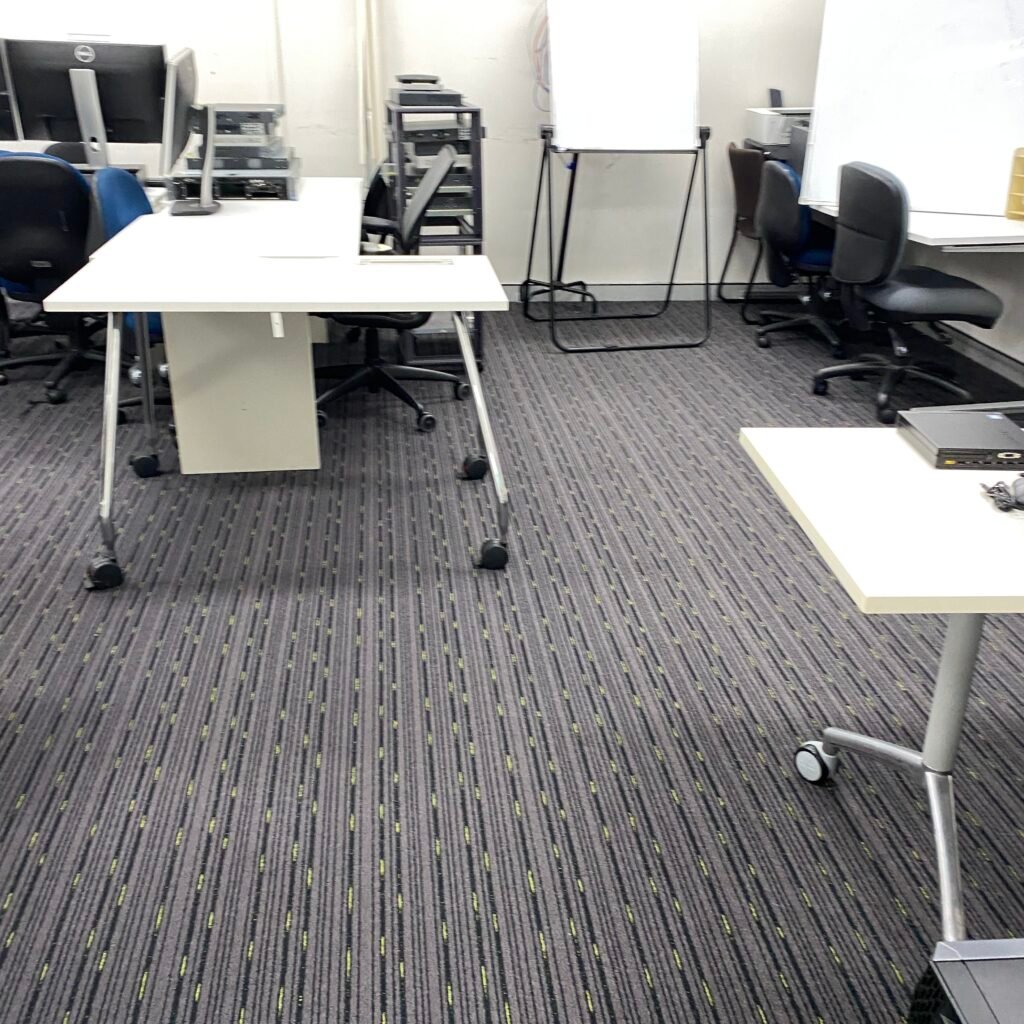
Guide to Commercial Carpet Cleaning: learn methods, costs, schedules and benefits to keep Australian offices clean, safe and professional all year round.