
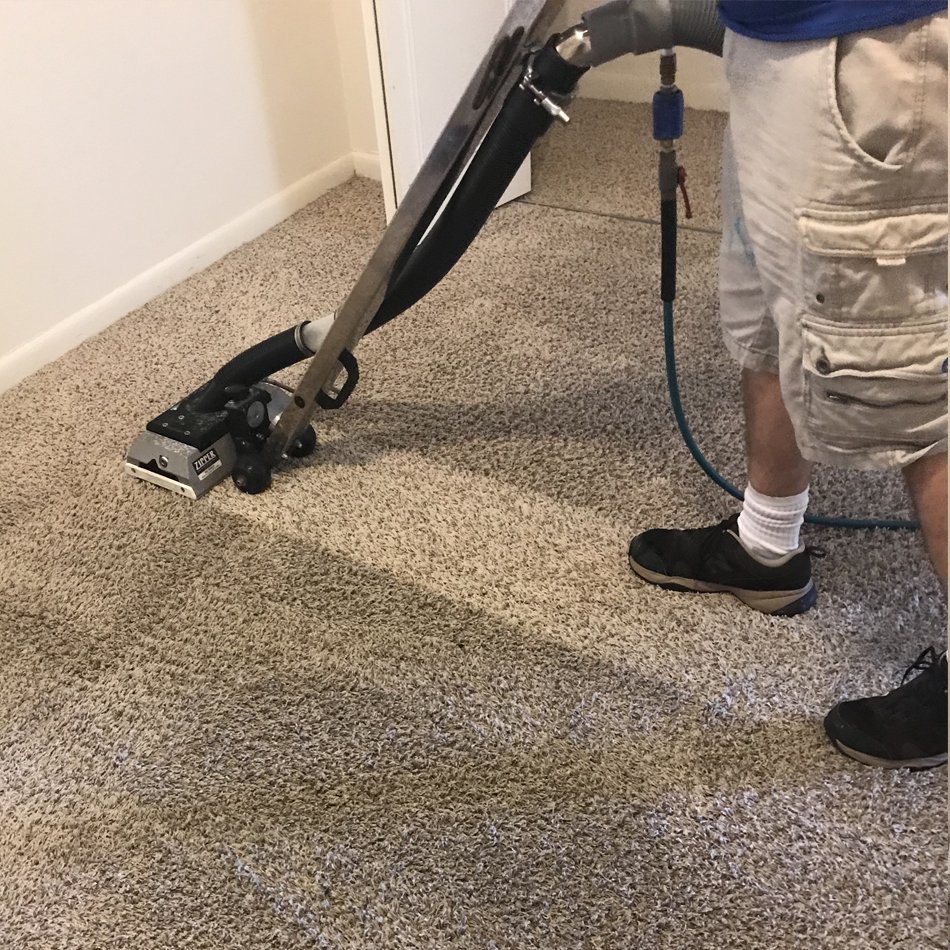
A carpet is a set of woven fibres that perform specific functions. Cleaning those fibres can be divided into two main types: commercial carpet cleaning and residential carpet cleaning. In Australia, these two types of cleaning power everything from high-rise office towers and suburban medical clinics to family homes and rental apartments.
Systematic commercial cleaning manages heavy soil resources. It keeps a business environment hygienic and presentable. Without it, the capital asset degrades prematurely. Residential cleaning helps occupants maintain a comfortable living space. It directly addresses allergen reduction, specific stain removal, and the longevity of the home’s primary flooring.
In this guide, we will explain the difference between commercial carpet cleaning and residential carpet cleaning. We will cover what they are, their types, their core functions, their advantages and limitations, and a simple comparison chart. This way, you will never mix them up when assessing providers and quotes.
Commercial vs Residential Carpet Cleaning: A Quick Comparison
Before going into the details of each type, the table below gives you a quick reference to orient yourself.
|
Factor
|
Commercial Carpet Cleaning
|
Residential Carpet Cleaning
|
|---|---|---|
|
Primary Focus
|
Asset durability, WHS compliance
|
Comfort, allergen reduction
|
|
Typical Pile Height
|
5 to 8 mm (dense weave)
|
10 to 20 mm (loose weave)
|
|
Primary Method
|
Truck-mounted extraction (80–100°C)
|
Portable extraction (60–80°C)
|
|
Deep Clean Frequency
|
Every 1 to 6 months
|
Every 12 to 18 months
|
|
Scheduling
|
After-hours, zoned rotation
|
Business hours, room-by-room
|
What is Commercial Carpet Cleaning?
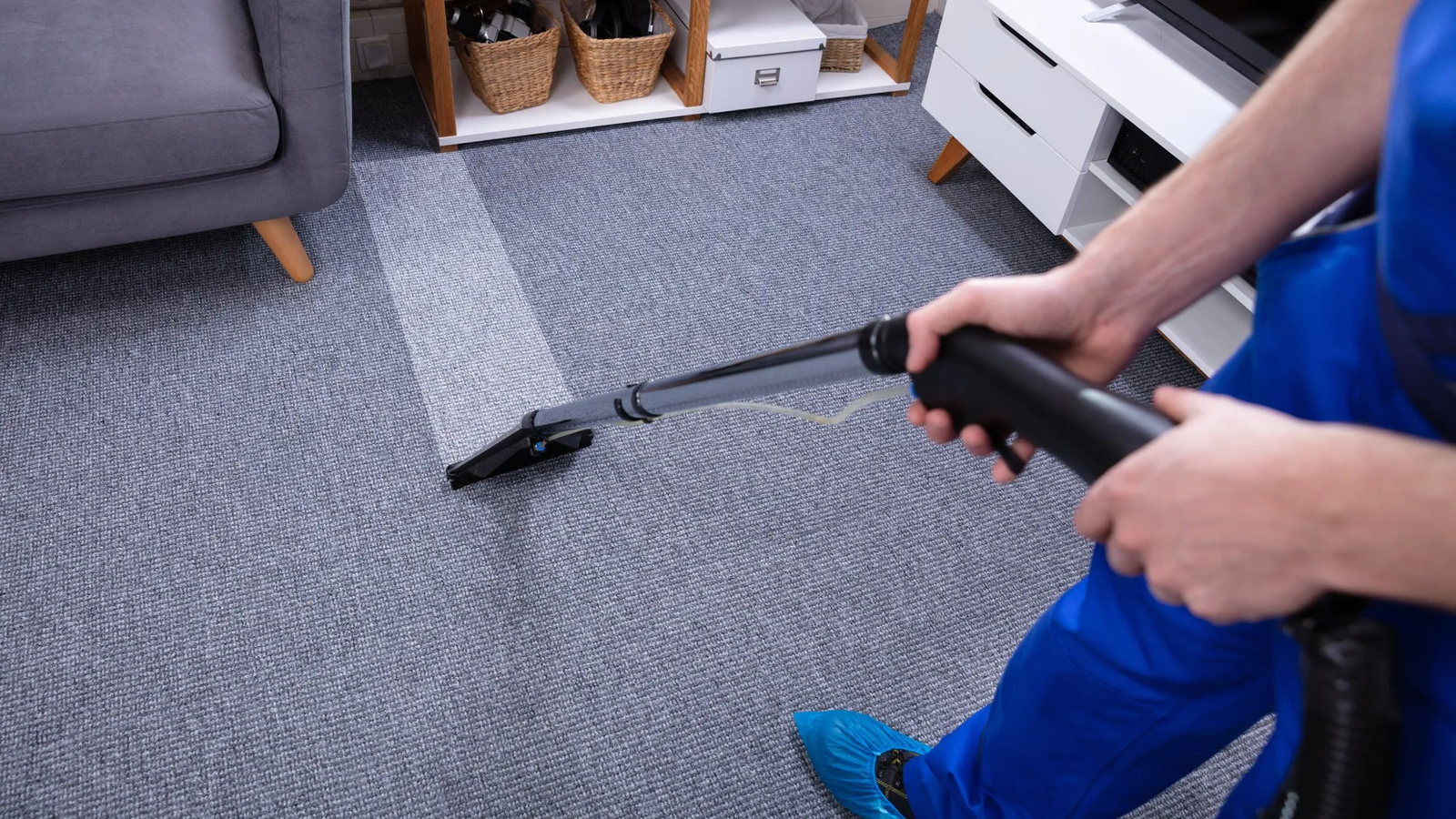
Commercial carpet cleaning is the main set of structured maintenance procedures that control soil accumulation in business and industrial environments. It works in the background, often after hours. It handles important tasks such as heavy particulate extraction, infection control in healthcare settings, and extending the lifespan of a significant capital investment. Without correctly executed commercial carpet cleaning, a business’s flooring will physically degrade under heavy foot traffic.
What Are the Types of Commercial Carpet?
Commercial carpet is not just one material. It has different formats and fibres designed to help the facility work properly. The main types include:
- Carpet Tiles: Modular squares with static dissipation properties built in. If a section is permanently ruined, a single tile can be replaced without lifting the entire room. These are the standards for open-plan offices.
- Broadloom (Nylon): Rolled carpet with a very low pile height (5 to 8 mm) and an extremely dense weave. It resists continuous crushing from foot traffic and rolling equipment (like office chairs).
- Broadloom (Polypropylene): Highly resistant to water-based stains and fading. Often used in retail spaces or indoor/outdoor transitions where moisture tracking is high.
What Are the Functions of Commercial Carpet Cleaning?
Commercial carpet cleaning does all the behind-the-scenes work to keep your facility functional and professional. Some major functions include:
- Abrasive Soil Extraction: Removes heavily compacted outdoor particulate (silica, clay, asphalt residue) from the base of the pile. This directly stops the soil from cutting and destroying the nylon fibres with every footfall.
- Asset Management and Lifespan Extension: Extends the carpet’s lifespan. Carpet Institute of Australia data indicates that correctly maintained carpets last 30 to 50% longer than neglected ones.
- Indoor Air Quality (IAQ) Control: Clears the carpet, functioning as an overloaded “reservoir” of dust and industrial fallout, reducing airborne particulate for employee safety.
- Compliance Protocol: Meets strict hygiene standards that regulatory bodies require, specifically executing RACGP infection control guidelines in medical clinics.
What Are the Features of Commercial Carpet Cleaning?
Commercial carpet cleaning is built differently from domestic cleaning because it works directly against intense organisational strain and controls the entire facility’s presentation.
- Heavy-Duty Equipment Specs: Relies on truck-mounted extraction units delivering 200 to 250 inches of vacuum water lift and water temperatures of 80 to 100°C to emulsify deep oily soil.
- Zoned Rotation Capability: Large facilities cannot be isolated all at once. Hire commercial carpet cleaning providers to schedule rapid-dry encapsulation for high-traffic zones quarterly, with restorative extraction rotated annually.
- High-Concentration Chemistry: Systematically formulated with enzymes to break down organic matter in hospitality or extreme descalers for retail soils that standard residential cleaners cannot process.
- After-Hours Execution: Commercial cleaning is highly disruptive. It is strictly executed after 5:00 PM or on weekends, leveraging facility access controls and incurring a mandatory 20% to 30% penalty rate premium under Australian industrial awards.
What Are the Advantages and Limitations of Commercial Carpet Cleaning?
- Advantages: It provides predictable budgeting through scheduled maintenance (preventing shock capital expenditure). It satisfies the employer’s general duty of care under the Work Health and Safety Act 2011 to maintain a healthy environment. It guarantees a consistent brand presentation to clients entering a lobby or retail store.
- Limitations: Routine encapsulation cleaning does not deep-clean the backing; it is a surface-maintenance step. Relying entirely on low-price contractors using unsuitable equipment can leave chemical residues that attract dirt faster (known as rapid re-soiling). Importantly, high-traffic commercial carpet has a finite lifespan; professional cleaning drastically slows, but cannot permanently halt, mechanical wear.
You may also like: Why hire a commercial cleaning service
What is Residential Carpet Cleaning?
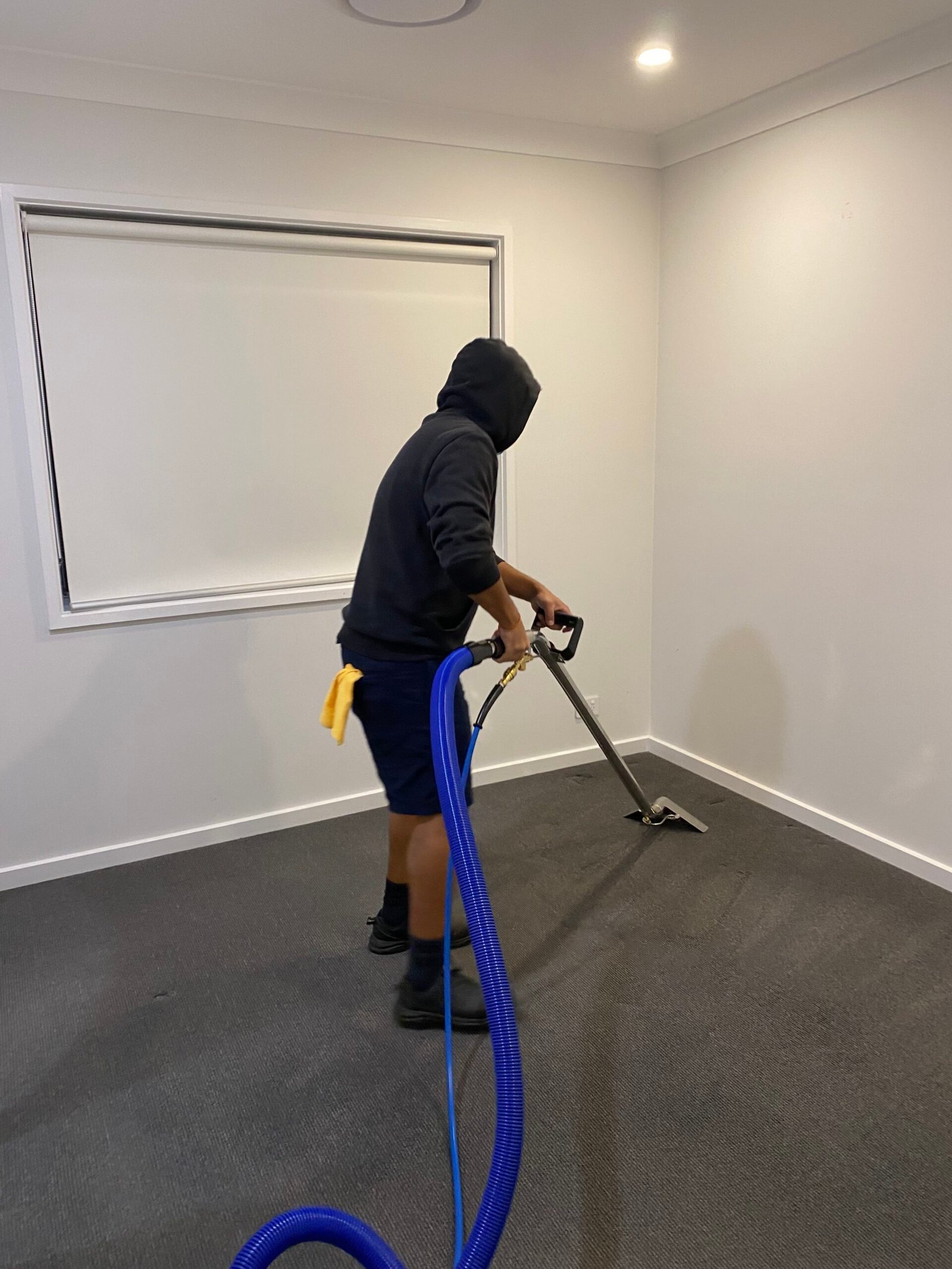
Residential carpet cleaning includes processes designed for specific household tasks. Examples are general dirt extraction, pet stain treatment, and tenant bond compliance. It doesn’t manage heavy industrial soil like commercial maintenance. Instead, it helps families and homeowners achieve their desired living standards.
Put simply, commercial cleaning makes the business asset survive. Residential cleaning lets you live comfortably in it.
What Are the Types of Residential Carpet?
Residential carpet has different types based on comfort and natural feel.
- Wool Carpets: Natural fibres with a heavy crimp that trap air. They provide incredible insulation and softness but require highly specific, low-heat cleaning to prevent fibre shrinkage and natural oil stripping.
- Nylon Broadloom: The most common residential format. Features a higher pile height (10 to 20 mm) that feels plush underfoot but allows dirt to sink deep toward the subfloor over time.
- Polyester Blends: Budget-friendly and highly stain-resistant to household spills, but prone to crushing under heavy beds and sofas over time.
What Are the Functions of Residential Carpet Cleaning?
Residential carpet cleaning makes domestic life healthier and easier. It does user-specific tasks such as:
- Allergen Reduction: Hot water extraction kills dust mites and removes human skin scales (their food source). The Australasian Society of Clinical Immunology and Allergy identifies this process as critical for mitigating allergic rhinitis and asthma.
- Tenancy Bond Recovery: Fulfils the lease obligations in Australia. Tenancy tribunals routinely award bond deductions against renters if carpets are not returned to a professionally cleaned standard with a valid receipt.
- Warranty Compliance: Validates the manufacturer’s warranty. Most residential carpets require documented professional hot water extraction every 12 to 18 months to remain covered against structural failure.
- Targeted Stain Treatment: Uses professional chemistry to react with and remove specific organic spills (wine, coffee, pet urine) before they permanently dye the fibre.
What Are the Features of Residential Carpet Cleaning?
Residential carpet cleaning focuses on household needs. It is designed for interaction with delicate fibres, flexibility, and specific domestic outcomes.
- Portable Equipment: Delivered via portable hot water extraction units carried into the home. These operate at safer temperatures (60 to 80°C) and lower vacuum lift (100 to 150 inches) to protect the loose residential weave and backing.
- Task-Focused Design: Each visit is created to perform a specific job, usually cleaning the living room, bedrooms, and hallway of a specific house while the homeowner is present and communicating preferences.
- Drying Time Considerations: Typically requires 4 to 12 hours of drying time. A key feature of professional service is providing protective pads or foam blocks under metal/wood furniture legs to prevent rust or tannin transferring into the damp fibre.
What Are the Advantages and Limitations of Residential Carpet Cleaning?
- Advantages: It provides an immediate, highly visible improvement in home aesthetics and dramatically lowers indoor allergen levels for children playing on the floor. It extends a carpet’s life from a neglected 7 years to a well-maintained 15 years.
- Limitations: Certain stains cannot be fixed regardless of operator skill. Bleach stains or burns where the dye is chemically stripped or melted are permanent. Furthermore, scheduling requires the family to stay off the damp carpet for hours, causing minor household disruption.
How is Carpet Cleaning Assessed, Priced, and Selected?
Beyond the commercial vs residential classification, cleaning is also grouped by how it is priced and delivered. This matters for businesses and individuals choosing providers because the model determines what you can legally expect, the required insurance tiers, and how much it costs.
Residential Pricing Models
Quoted strictly by room size. In Australian capital cities, a standard room costs $35 to $70. Staircases are charged separately per step. It is a straightforward, task-based transaction.
Commercial Pricing Models
Quoted strictly by total footprint. Because scale matters, prices per square metre vary by method and industry:
- Hot water extraction: $4.50 to $6.50 per m²
- Encapsulation cleaning: $3.00 to $4.50 per m²
- General Office Spaces face the lower end of the scaling ($2.50 to $5.50), while Healthcare and Aged Care facilities face the highest ($5.00 to $9.00) due to strict bio-hazard protocols.
The Cost of Inaction (ROI Matrix)
Looking strictly at the invoice misses the asset math. A 500-square-metre commercial carpet that needs replacing at year four instead of year seven represents a $15,000 asset write-off. Spending $2,500 annually to aggressively maintain it preserves that capital.
You may also like: How Much Does It Cost for Commercial Cleaning?
Selecting a Professional Provider
When choosing a provider, the selection criteria differ wildly. For commercial work, you must verify that the provider holds $20 million in public liability insurance, guarantees a written scope of work indicating penalty rate accommodations, and holds formal certification from the Institute of Inspection, Cleaning and Restoration Certification (IICRC) or the Carpet Institute of Australia.
Wrapping Up
Understanding the differences between commercial carpet cleaning and residential carpet cleaning is important for anyone managing a property. Commercial cleaning and residential cleaning are two sides of the same coin. One makes the machine (your facility) work and survive in heavy industry. The other lets you use it comfortably at home. Commercial cleaning manages soil compaction, WHS compliance, and longevity through high-heat, high-lift extraction. Residential cleaning helps you control allergens, remove household stains, and secure your lease bond using targeted portable extraction.
Together, they shape your indoor environment. The difference goes beyond just technical machinery. It impacts how your facility supports business activities versus how your home supports your family. Ready to protect your property? Whether you manage a heavily trafficked commercial facility or want to refresh your family home, you need a provider who understands the precise needs of your carpet.
Spotzi delivers expert, eco-friendly commercial carpet cleaning and residential carpet cleaning tailored to your exact environment. From after-hours, high-heat extraction for businesses to pet-safe, low-allergen cleaning for homes, Spotzi guarantees uncompromising results without relying on harsh chemicals. Contact Spotzi today for a tailored, obligation-free quote.
Frequently Asked Questions
Why can't a residential cleaner handle a commercial office?
A commercial environment requires truck-mounted extraction and zoned maintenance planning. When a residential operator uses a portable machine on 600 square metres of heavily soiled commercial tile, the equipment lacks the raw heat to emulsify oils and the 200-inch vacuum lift required to pull compacted clay from the dense weave. The carpet looks clean on the surface but retains the abrasive soil beneath, guaranteeing poor indoor air quality and rapid re-soiling.
What are the risks of DIY carpet cleaning compared to professional?
Consumer-grade DIY machines (hired from hardware stores) max out at 40-55°C and have weak suction below 80 inches of lift. They lack the power to pull the water they inject back out of the carpet. This causes extreme over-wetting, which leads to backing delamination, foul odours, and potential mould growth within 48 hours. DIY machines are for surface spills, not restorative cleaning.
How does soil physically damage commercial carpet?
Soil that remains unextracted becomes a mechanical abrasive. Every day, foot traffic crushes sharp silica and clay particles against the nylon fibres at the base of the pile. This physically cuts and scratches the strands, dulling the colour and eventually flattening the pile until the structural integrity is irreparably destroyed.
Why do some stains remain even after professional residential cleaning?
Not all stains are dirt-based. If a stain is heat-set (like an iron placed face down on synthetic fibre) or chemically altered (like bleach removing the original factory dye or certain synthetic food dyes bonding permanently with the nylon), the structural colour of the fibre is destroyed. Cleaning removes soil; it cannot reverse permanent chemical and physical damage.
How do I know which carpet cleaning I need?
If it’s a home, go for residential cleaning. If it’s an office, shop, or large space with heavy use, commercial cleaning is the better choice.
Do commercial carpets need different cleaning machines?
Yes, commercial carpets typically require different cleaning machines than residential ones due to their larger scale, higher traffic, and durability needs.
Commercial spaces like offices, hotels, and gyms have carpets that endure heavy foot traffic, spills, and embedded dirt, so machines are built for continuous use with stronger pumps, higher water lift, better airflow, and serviceable parts, unlike residential models designed for occasional, lighter cleaning. For example, professional extractors (portable or truck-mounted) offer deep cleaning via hot water extraction, powerful vacuums, and wider brushes (e.g., Duplex 340 for small areas or 620 for large venues), often with features like steam sanitation for hygiene in healthcare or hospitality settings.
That said, some versatile commercial machines handle both carpets and hard floors without switching equipment, using adjustable settings for efficiency in mixed environments. Professionals adjust for carpet types (e.g., low pile vs. loop) via brush pressure or wands rather than entirely different machines. For your Sydney-based research on services, this means prioritising duty-rated gear for reliable results in commercial jobs.
What happens if I use residential cleaning for a commercial space?
Using residential cleaning machines or methods for commercial spaces can lead to ineffective cleaning, equipment failure, carpet damage, and operational issues.
Residential machines lack the power, durability, and airflow for high-traffic commercial carpets, resulting in weak suction that leaves carpets damp, over-saturation of backing layers, and residues that attract more dirt faster. This often causes mold growth from prolonged moisture, fibre damage, uneven stain removal, and voided warranties, while plastic components crack and motors overheat during extended use.
Is residential carpet cleaning safer for kids and pets?
Yes, residential cleaning typically uses milder and eco-friendly products that are safer for indoor living environments.
Which one dries faster, office carpet cleaning or home carpet cleaning?
Office carpet cleaning usually dries faster because it often uses low-moisture methods designed to reduce downtime.
Why is commercial carpet cleaning more expensive?
It covers larger areas, uses heavy equipment, and often requires faster turnaround with minimal disruption to business operations.