
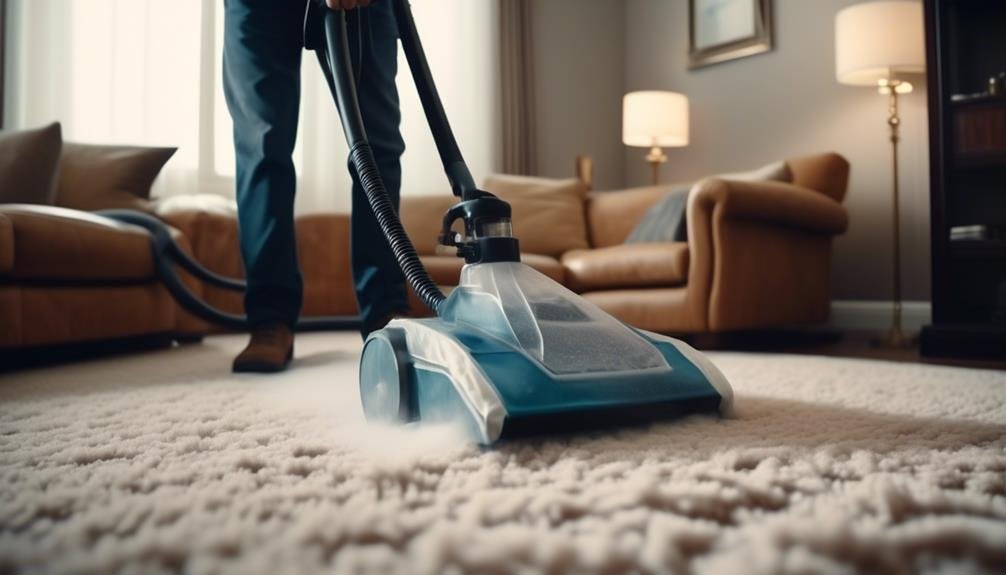
Every business owner knows that first impressions matter. When clients walk through your door, your carpet is one of the first things they notice. Dirty, stained carpets don’t just look bad; they affect indoor air quality, employee health, and your bottom line. Professional commercial carpet cleaning protects your investment, maintains a healthy work environment, and creates a space where your business can thrive.
This guide covers everything you need to know about commercial carpet cleaning. We’ll walk through the different cleaning methods, help you figure out how often your carpets need attention, break down what you should expect to pay, and show you how to choose a provider you can trust.
Key takeaways about commercial carpet cleaning
- Commercial carpets need professional cleaning every 1 to 3 months, depending on traffic levels. High traffic areas like reception zones need monthly attention, while low traffic spaces can go longer between cleans.
- Hot water extraction delivers the deepest clean and is the gold standard for heavily soiled carpets. Encapsulation works brilliantly for routine maintenance with faster drying times.
- Expect to pay $3.50 to $6.50 per square meter for professional commercial carpet cleaning. A typical 500 square meter office costs between $1,750 and $3,250, depending on the method and condition.
- Professional cleaning extends carpet life by 3 to 5 years, saving you $50,000 to $150,000 in replacement costs on a 1,000 square meter installation.
- Choose the right carpet cleaners with proper insurance, certifications, and clear pricing. Red flags include unusually low quotes, no physical address, or pressure to sign long contracts without a trial period.
- Commercial carpets need professional cleaning every 1 to 3 months, depending on traffic levels. High traffic areas like reception zones need monthly attention, while low traffic spaces can go longer between cleans.
What is Commercial Carpet Cleaning?
A commercial carpet cleaning is a process of professional cleaning of carpets in business environments using industrial-grade equipment, specialised techniques, and commercial strength cleaning solutions. Unlike residential carpet cleaning that might tackle a few rooms, commercial cleaning deals with large floor areas, high traffic volumes, and specific business requirements around timing and compliance.
The scale makes commercial cleaning fundamentally different. A residential home might have 50 to 200 square meters of carpet. A commercial office building can easily have 1,000 to 10,000 square meters or more. This difference in scale requires different equipment, approaches, and expertise.
Commercial spaces face unique challenges. Hundreds or thousands of people walking the same paths every day create heavily compacted traffic lanes. Business operating hours mean cleaning often needs to happen outside normal working times. Industry regulations, especially in healthcare or childcare, can dictate specific cleaning standards and products.
Why Commercial Carpet Cleaning Matters?
- Better indoor air quality: Carpets trap dust, allergens, bacteria, and other particles. A heavily soiled carpet can hold up to 4 times its weight in dirt. Professional extraction removes what vacuuming can’t reach, creating a healthier workspace.
- Reduces allergens and irritants: Carpets trap dust, pollen, and other allergens. Regular professional cleaning removes that buildup, which can help reduce sneezing, itchy eyes, and irritation for staff and visitors.
Helps with mould and mildew risk
Spills, leaks, or high humidity can lead to damp carpet and underlay, which can trigger mould growth and musty odours. Proper cleaning and fast drying reduce that risk.Supports staff comfort and wellbeing
Clean carpets mean fewer odours, less dust, and a fresher environment, which can make the workplace more comfortable day to day and boost productivity.Carpet investment lasts longer: Commercial-grade carpet costs $50 to $150 per square meter to install. Regular professional cleaning can extend that carpet’s life from 5 or 6 years to 8 or 10 years. On a 1,000 square meter installation, that’s saving $50,000 to $150,000 in replacement costs.
- Enhance the appearance: Clean carpets signal attention to detail. They show clients and employees that you care about your environment. First impressions form in seconds, and tatty carpets work against every marketing dollar you spend elsewhere.
What Are the Methods of Commercial Carpet Cleaning?
There’s no single best way to clean every commercial carpet. The right method depends on your carpet type, how dirty it is, how quickly it needs to dry, and what you’re trying to achieve.
1. Hot Water Extraction (Steam Cleaning)
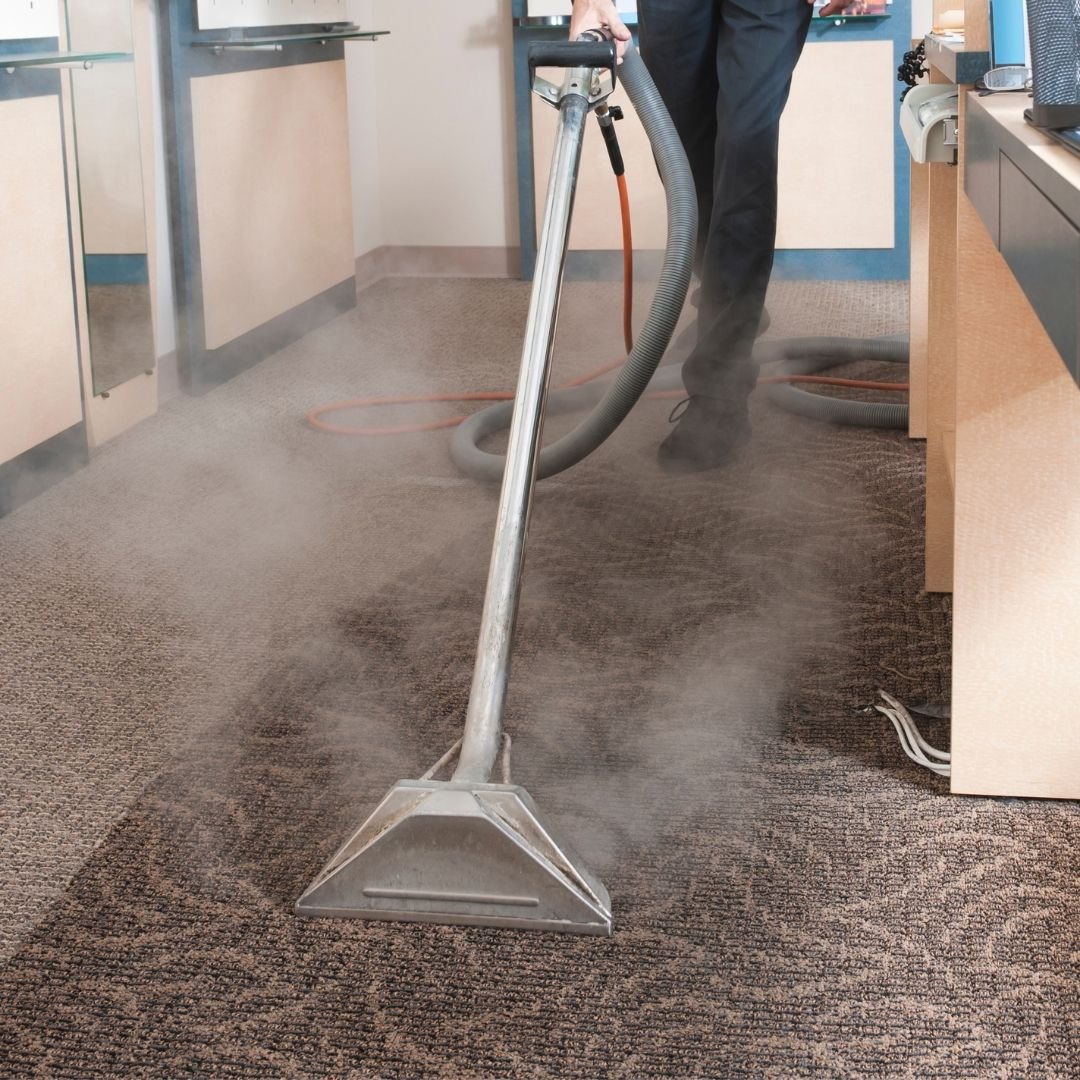
Hot water extraction, often called steam cleaning, is one of the most thorough ways to deep clean carpets. It is designed to flush out built-up dirt, allergens, and grime from deep within the fibres, not just the surface.
- A powerful machine heats water to between 70 and 90 degrees Celsius and mixes it with a cleaning solution.
- The machine injects this hot mixture deep into the carpet pile under high pressure, breaking down dirt, oils, and stains. Almost immediately, the machine’s powerful vacuum extracts the water along with the dissolved soil.
- Professional truck-mounted extractors generate a vacuum lift of 400 to 600 inches of water. Compare that to a rental machine pulling maybe 100 inches at best.
- That extraction power makes the difference between carpets that dry in 6 hours and carpets still damp 24 hours later.
When to use: Annual or bi-annual deep cleaning, heavily soiled carpets, warranty-compliant cleaning, or when you can clean after hours and let carpets dry overnight.
2. Dry Carpet Cleaning
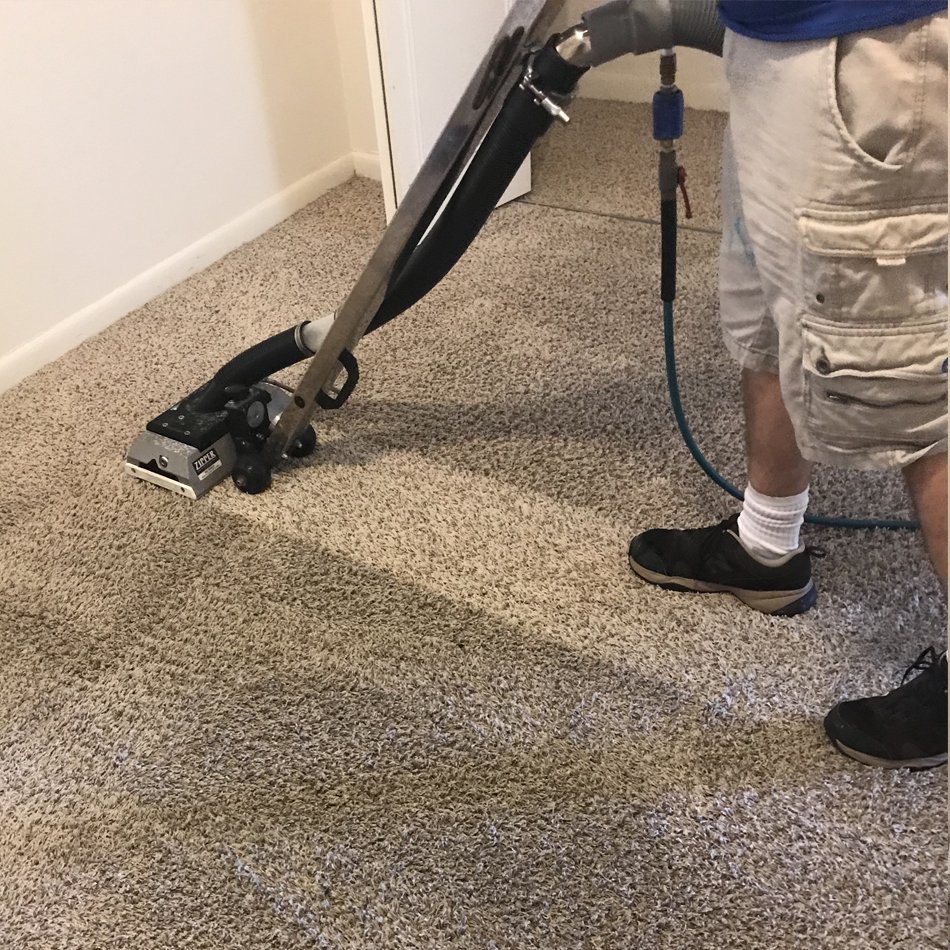
Dry carpet cleaning is the best option when a carpet needs a proper clean without being soaked. It is designed for fast turnaround, so it suits homes and businesses that want minimal disruption.
- The technician starts by vacuuming thoroughly to remove dry soil, then treats any visible spots and heavier traffic areas.
- Next, a low moisture dry cleaning product, often a sponge-like compound, is applied across the carpet and worked into the fibres using a counter-rotating brush machine or rotary brush.
- As it is brushed through, the product lifts and traps dirt and oils from the pile. After a short dwell time, the technician vacuums the carpet in detail to remove the product along with the loosened grime, then finishes with a final check and tidy up.
- The carpet usually feels barely damp and is commonly ready for foot traffic straight away or within 30 to 60 minutes, depending on airflow and how soiled it was.
When to use: Regular maintenance cleans in homes, rentals, offices, and retail spaces with light to moderate traffic. It also works well between annual or bi-annual hot water extraction cleans when fast drying is the priority.
3. Bonnet Cleaning
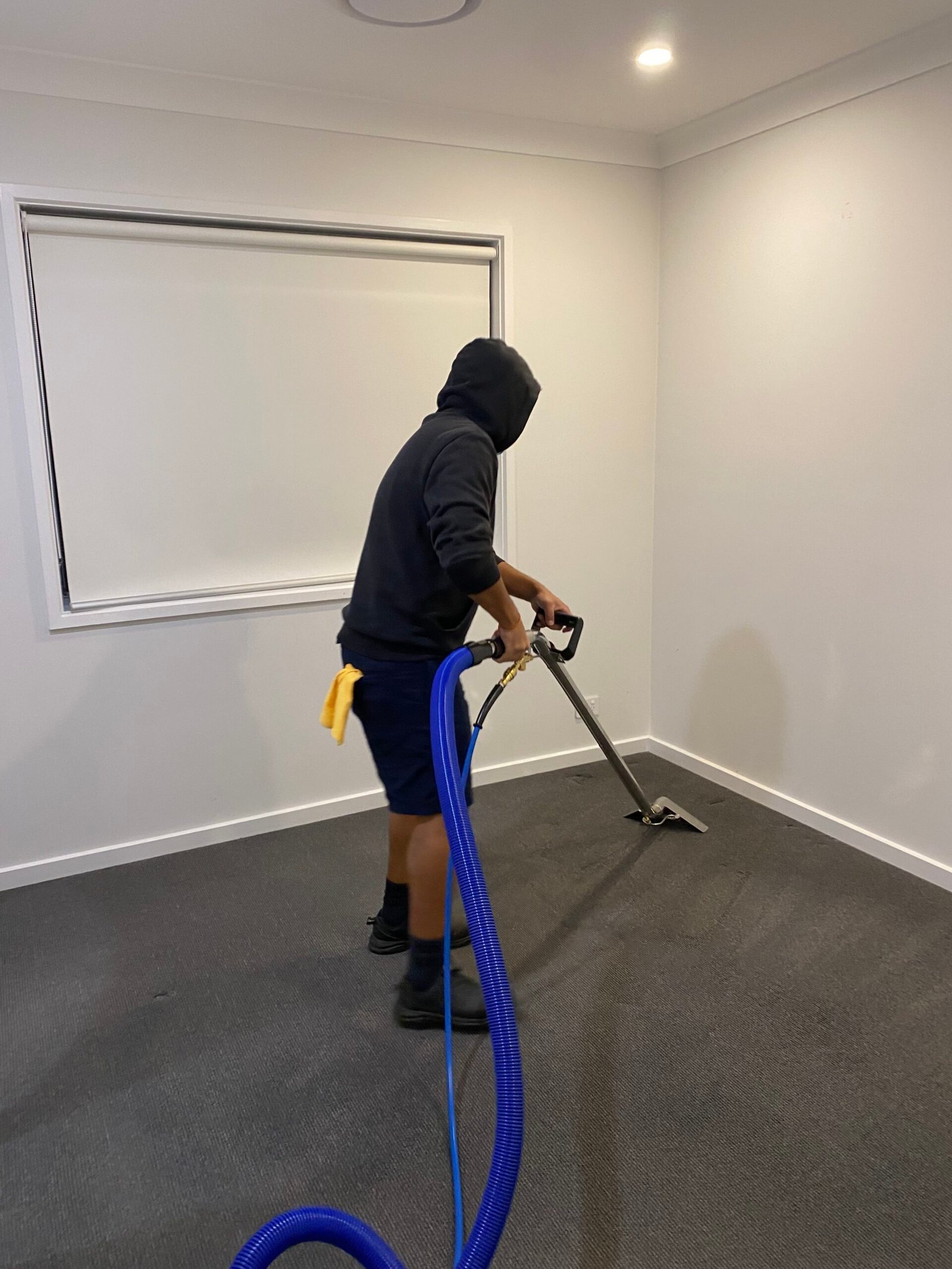
Bonnet cleaning is a common commercial carpet cleaning method used for quick, visible results on the surface of the carpet. It is often chosen for busy spaces because it is fast, low-moisture, and keeps disruption to a minimum.
- The carpet cleaners start by vacuuming thoroughly, then apply a cleaning solution to the carpet, focusing on traffic lanes and visibly soiled areas.
- Next, a rotary machine fitted with an absorbent bonnet pad is used to scrub the carpet. As the pad spins, it lifts and absorbs dirt and oils from the top part of the fibres, and the technician swaps or flips the pad as it becomes soiled to keep it clean and effective.
- Because bonnet cleaning uses very little water, the carpet usually feels only slightly damp and is often ready for foot traffic within 30 to 60 minutes. It is a practical option for businesses that need the carpet to look fresh quickly, especially in front of customers.
When to use: Interim maintenance cleaning in offices, hotels, function venues, and retail spaces where appearance matters and fast drying is essential. It is best used between periodic deep cleans like hot water extraction, rather than as a replacement for them.
4. Encapsulation Cleaning
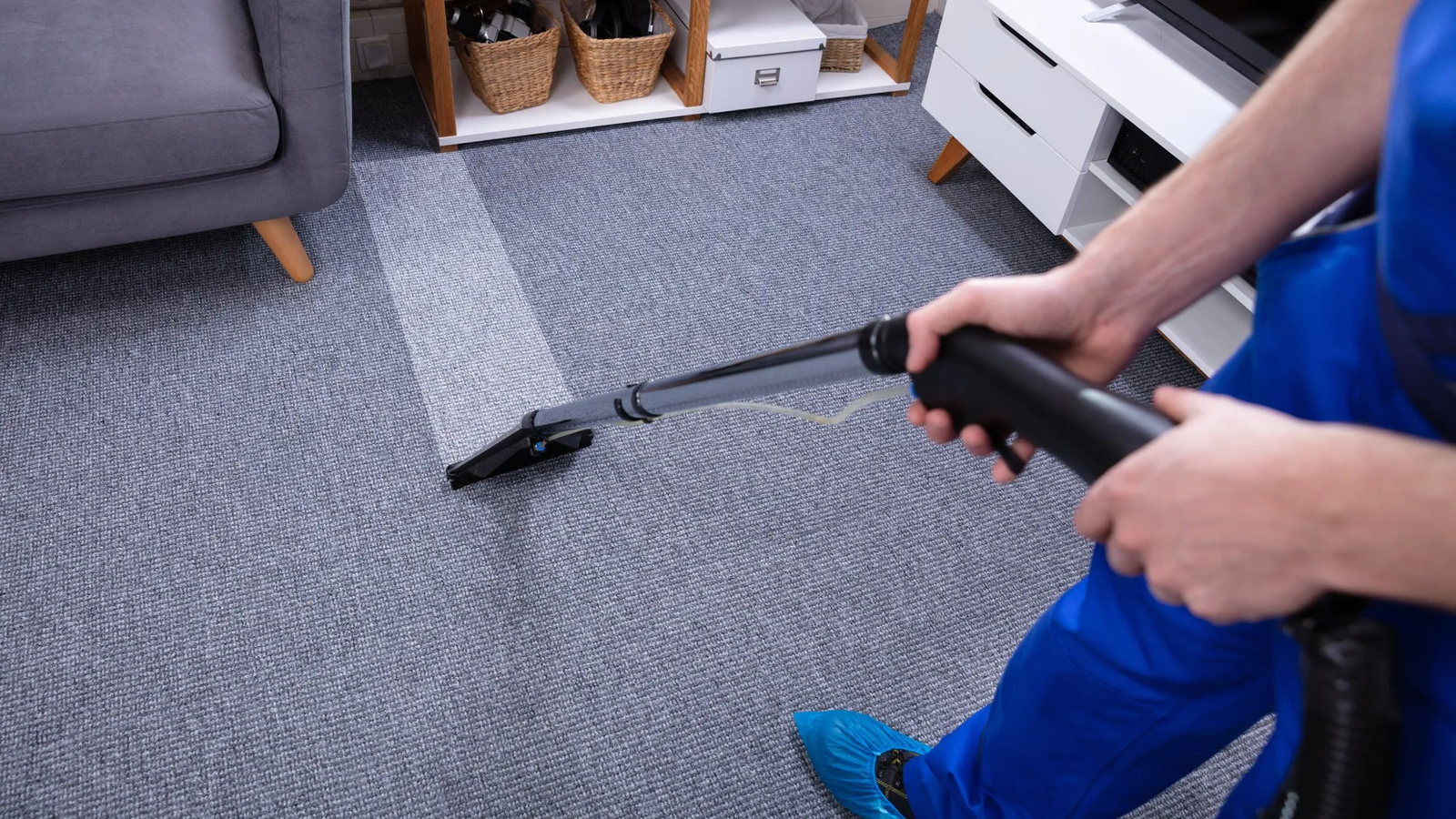
Encapsulation has become incredibly popular for interim cleaning between deep extractions because it works fast, dries faster, and delivers impressive results on moderately soiled carpets.
- The carpet cleaner sprays an encapsulation cleaning solution onto the carpet, then works it in with a counter-rotating brush machine. The solution’s polymer molecules surround and crystallise dirt particles.
- As the carpet dries, these crystallised particles separate from the carpet fibres. Your regular vacuuming removes them over the next day or two.
- The carpet feels barely damp after cleaning and is ready for foot traffic in 30 to 60 minutes. For businesses that can’t shut down for half a day, this is a game-changer.
When to use: Monthly or quarterly maintenance cleaning in offices, retail spaces, and other commercial environments with moderate traffic. Use it between your annual or bi-annual hot water extractions.
5. Carpet Shampooing
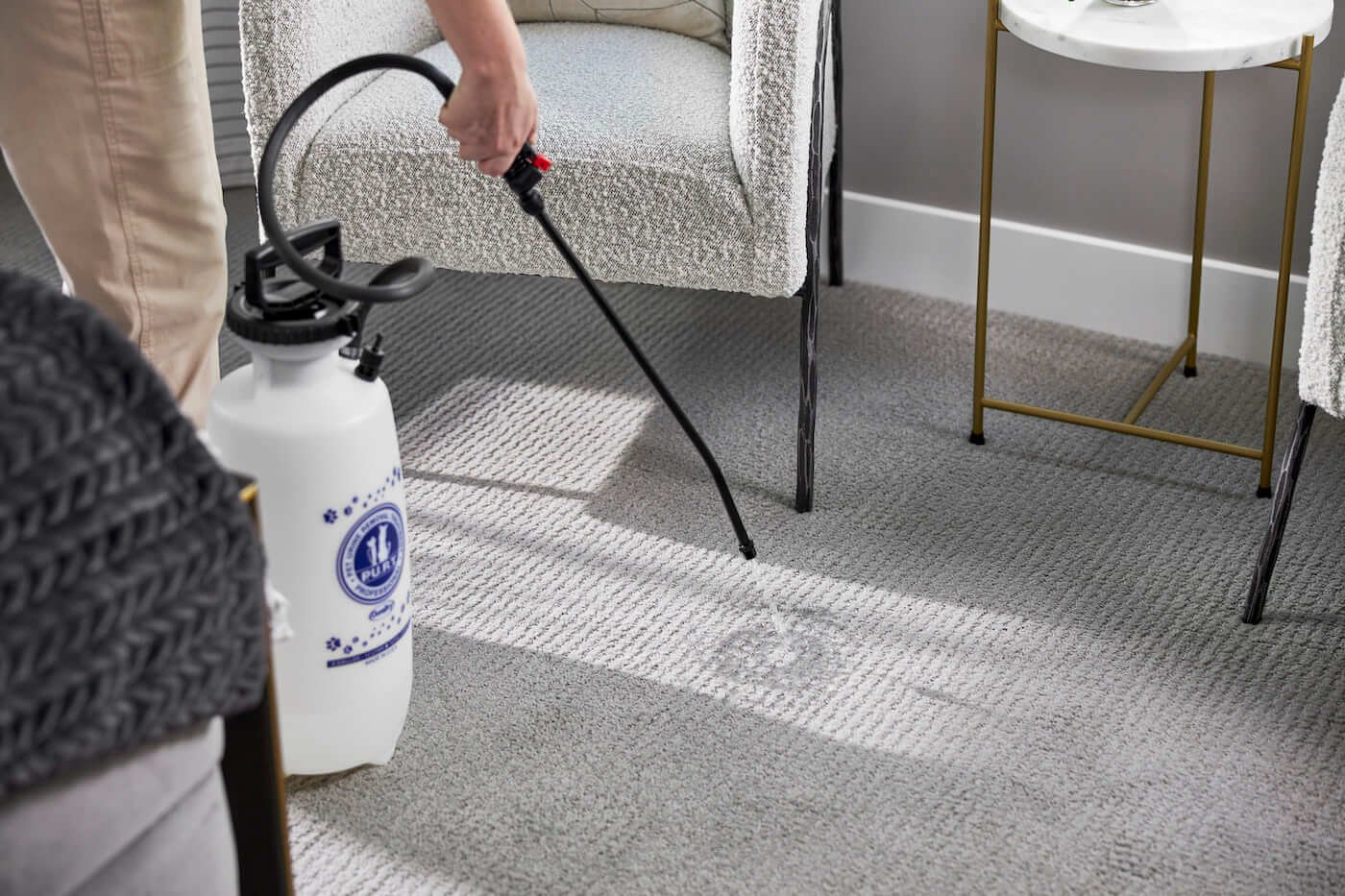
Carpet shampooing is a traditional carpet cleaning method that focuses on breaking down heavy soil using a foaming shampoo. It can give carpets a noticeable lift in appearance, especially in high traffic areas, but it usually needs good technique to avoid leaving residue behind.
- The professional commercial carpet cleaner starts by vacuuming thoroughly, then applying a carpet shampoo solution that is designed to foam and suspend dirt.
- A rotary brush or shampoo machine works the foam through the fibres, loosening grime, oils, and trapped soil.
- Once the carpet has been scrubbed, the technician removes as much product as possible using a wet vacuum or extraction pass, then finishes with a final groom to reset the pile.
- Because shampooing uses more moisture than dry methods, the carpet will feel damp and typically takes several hours to dry. If too much shampoo is left in the carpet, it can attract dirt faster over time, which is why proper rinse out and recovery matter.
When to use: Heavily soiled carpets that need a strong agitation clean, especially in older carpets or high traffic areas. It is best suited when there is time for drying and follow-up vacuuming, and it is often used as an occasional clean rather than frequent maintenance.
How Often Should Commercial Carpets Be Professionally Cleaned?
Traffic levels, your industry, the season, and even your entrance matting all affect how often carpets need professional attention.
|
Industry Type
|
High Traffic Areas
|
Medium Traffic Areas
|
Low Traffic Areas
|
|---|---|---|---|
|
Office Buildings
|
Monthly
|
Quarterly (every 3 months)
|
Every 6 months
|
|
Healthcare Facilities
|
Bi weekly to monthly
|
Monthly
|
Quarterly
|
|
Retail Environments
|
Weekly to bi weekly
|
Bi weekly to monthly
|
Monthly
|
|
Hospitality Venues
|
Daily to weekly
|
Weekly
|
Monthly
|
|
Schools and Universities
|
Monthly
|
Quarterly
|
Every 6 months
|
These guidelines apply to professional interim cleaning, like encapsulation. You’ll still want deep hot water extraction at least once or twice per year, regardless of more frequent maintenance.
- High traffic areas include building entrances, reception areas, main corridors, and cafeteria spaces. These spots can see thousands of foot impressions daily.
- Medium traffic areas cover most general office spaces, conference rooms, and retail floor areas away from entrances.
- Low traffic areas are private offices, storage rooms, back hallways, and spaces with restricted access.
Tips for Maintaining Commercial Carpets
Keeping your commercial carpets looking professional between deep cleans doesn’t require expensive equipment or specialised knowledge. These practical maintenance tips help extend carpet life, maintain appearance, and protect your flooring investment.
- Install Quality Entrance Matting: Place heavy-duty entrance mats at least 3 to 4 meters long at every entrance point. Quality mats capture up to 80% of incoming dirt, moisture, and debris before it reaches your carpet.
- Vacuum High Traffic Areas Every Day: Daily vacuuming of corridors, entrances, reception areas, and main walkways prevents surface dirt from grinding deep into the carpet pile, where it causes permanent damage. This simple habit can extend carpet life by years.
- Address Spills Within Minutes: The faster you treat a spill, the better your chances of complete removal. Liquids that sit for hours soak deeper into the carpet pile and backing, making permanent staining far more likely.
- Use Walk Off Zones Between Hard Floors and Carpet: Transition areas where hard flooring meets carpet need extra protection. People track moisture and soil from hard floors onto adjacent carpet.
- Deep Vacuum Medium Traffic Areas: Areas that don’t need daily attention still require regular thorough vacuuming to prevent soil buildup.
- Inspect Carpets for New Damage or Stains: Regular inspections catch problems while they’re still manageable. Small issues addressed quickly rarely become big, expensive problems.
- Spot Clean Stubborn Marks: Some spots need more attention than immediate blotting provides. Monthly spot treatment prevents stains from setting permanently.
- Schedule Professional Interim Cleaning: Even with excellent daily maintenance, carpets need professional attention to remove embedded soil that vacuuming can’t reach.
- Document Carpet Condition: Regular photo documentation helps track wear patterns, demonstrates proper maintenance, and supports warranty claims if needed.
Quick Commercial Carpet Maintenance Checklist
Daily Tasks
- Vacuum high-traffic areas thoroughly
- Spot clean any new spills immediately
- Check and clean entrance mats
- Visual check of reception and high-visibility areas
Weekly Tasks
- Vacuum all carpeted areas
- Inspect the entire space for new stains or damage
- Clean entrance mats thoroughly
- Address any spotted issues
Monthly Tasks
- Treat stubborn spots and stains
- Test carpet protection effectiveness
- Groom high-pile areas if applicable
- Review and update the problem area log
Quarterly Tasks
- Schedule professional interim cleaning
- Evaluate the entrance matting effectiveness
- Document carpet condition with photos
- Plan for seasonal protection needs
How Much Does Commercial Carpet Cleaning Cost?
Commercial carpet cleaning pricing varies based on several factors, but realistic expectations can usually be provided for what a customer is likely to pay.
|
Cleaning Method
|
Price per Square Meter
|
Typical 500 sqm Office Cost
|
|---|---|---|
|
Carpet Shampooing
|
Carpet Shampooing $3.50 to $5.50
|
$1,750 to $2,750
|
|
Encapsulation Cleaning
|
$3.00 to $4.50
|
$1,500 to $2,250
|
|
Bonnet Cleaning
|
$2.50 to $3.50
|
$1,250 to $1,750
|
|
Dry Carpet Cleaning
|
$3.50 to $5.00
|
$1,750 to $2,500
|
|
Hot Water Extraction
|
$4.50 to $6.50
|
$2,250 to $3,250
|
These prices typically include pre-vacuuming, pre-treatment of stains and high traffic areas, the main cleaning process, and post inspection. Moving furniture, after-hours premiums, and specialty stain removal usually cost extra.
What Are the Key Factors That Affect Carpet Cleaning Cost?
- Total carpet area is the biggest factor, but bigger areas get volume discounts. Cleaning 100 square meters might cost $6 per square meter, while cleaning 1,000 square meters drops to $4 per square meter.
- Carpet condition and soil level directly impact the time and effort required. Light soil from regular maintenance costs less than heavy embedded grime from years of neglect.
- After-hours or weekend scheduling typically adds 20% to 30% to the base price. Many businesses need cleaning done outside regular hours to avoid disruption.
- Contract versus one-time service gives you leverage. Committing to quarterly or monthly service usually earns 10% to 20% discount versus one-off jobs.
Commercial Carpet Cleaning vs DIY: Which is Best for You?
Renting a carpet cleaning machine seems economical at first glance. Retailers rent machines for $40 to $80 per day. But the reality rarely matches the expectation.
Consumer rental machines have an extraction power of 80 to 120 inches of water lift, less than half what professional equipment delivers. You’ll spend hours cleaning, carpets will still be soaking wet, and the next morning, they’re often still damp with questionable results.
|
Factor
|
DIY with Rental
|
Professional Service
|
|---|---|---|
|
Equipment Power
|
80 to 120 inches lift
|
300 to 600 inches lift
|
|
Drying Time
|
12 to 24 hours
|
4 to 8 hours
|
|
Your Time Required
|
Full day or more
|
2 to 4 hours (you're free to work)
|
|
Results Quality
|
Variable, often disappointing
|
Consistent, guaranteed
|
|
Total Cost (500 sqm)
|
$300 to $500 plus labor
|
$1,500 to $3,250 done right
|
The time cost alone makes DIY questionable. If you’re paying employees $30 to $40 per hour to clean carpets instead of doing their actual jobs, you’re approaching professional pricing without professional results.
How to Choose the Right Commercial Carpet Cleaners?
Choosing the right commercial carpet cleaning provider makes the difference between carpets that look amazing and feel like you wasted your money.
- Check that they specialise in commercial work: Commercial sites need different equipment, scheduling, and safety processes than residential jobs. A provider should be used in offices, retail, and high-traffic areas.
- Ask what method they recommend and why: A good cleaner will match the method to your carpet type, soil level, and downtime needs (such as encapsulation for quick maintenance, hot water extraction for deep cleaning, and so on).
- Confirm insurance and compliance: They should have public liability insurance and adhere to WHS practices, including displaying signage for wet floors and ensuring safe chemical handling procedures.
- Look for clear pricing and a written scope: The quote should state the method, inclusions, stain treatment expectations, minimum charges, and what is not included (for example, heavy stain removal or moving large furniture).
- Ask about drying times and access: For busy workplaces, fast drying and after-hours options matter. A provider should be able to clean evenings or weekends if needed.
- Check equipment quality: Commercial-grade machines (and truck-mounted extraction when required) usually mean better results and faster drying than small portable or rental style units.
- Read reviews and request references: Look for consistent feedback from businesses like yours and ask for recent commercial references if the job is large.
- Make sure they have a maintenance plan: The best providers offer scheduled cleaning (monthly, quarterly, or bi-annual deep cleans) to keep carpets looking good and lasting longer.
- Ask about warranties and carpet manufacturer requirements: If your carpet has a warranty, confirm that the cleaning method and frequency will keep it compliant, and that they can provide service records if required.
Questions to Ask Before Hiring Commercial Carpet Cleaning Company
1. What cleaning methods do you use, and which do you recommend for our situation?
- Good providers explain options clearly and match methods to your needs.
2. What specific products and equipment do you use?
- Truck-mounted or high-powered portable machines indicate serious operations.
3. Can you provide current insurance certificates?
- They should hand these over without hesitation.
4. What exactly is included in your quoted price?
- Get specifics on pre-treatment, furniture moving, spot treatment, and any extras.
5. Do you guarantee your work, and what does that mean specifically?
- Good providers offer satisfaction guarantees with clear terms.
6. Can you provide references from similar businesses?
- Talking to current clients in your industry provides valuable insight into the actual service quality.
Red Flags to Avoid
- Unusually low pricing often indicates corners being cut somewhere. Quality service costs what it costs.
- No physical business address suggests you’re dealing with a transient operator. When problems arise, good luck finding them.
- Can’t or won’t provide insurance documentation immediately disqualifies them. No exceptions. The liability risk is too high.
Wrapping Up
Choosing the right cleaning method and maintenance schedule makes a big difference to how your commercial carpets look and how long they last. At Spotzi, services are planned around your carpet type, traffic levels, and business hours to keep disruption to a minimum.
Encapsulation and bonnet cleaning are great for regular upkeep and fast drying, while hot water extraction is the best option for a deeper, more thorough clean. For sites that need minimal moisture and a quick turnaround, dry carpet cleaning is a practical choice.
Get in touch to book an inspection and receive a tailored cleaning plan for your space. With the right approach, carpets stay fresher, last longer, and keep your workplace looking professional.
Frequently Asks Questions
What is the best commercial carpet cleaning method?
Hot water extraction delivers the deepest clean for annual restoration. Encapsulation works brilliantly for monthly maintenance with faster drying times (1 to 2 hours vs 6 to 8 hours). Most successful programs combine methods.
Do commercial carpet cleaners work after hours?
Yes. Most professional commercial carpet cleaning companies offer after hours service, including evenings, overnight, and weekends. Expect to pay 20% to 30% premium for this convenience.
How long do carpets stay clean after professional cleaning?
In well-maintained environments with proper entrance matting and daily vacuuming, professional cleaning results last 3 to 4 months. High traffic areas show resolution faster, often within 4 to 6 weeks.
Will cleaning void my commercial carpet warranty?
No, professional cleaning maintains your warranty when done properly. Most commercial carpet warranties actually require professional hot water extraction at specified intervals (typically annually or biannually).
What should I do immediately after a carpet spill?
Blot liquids immediately with clean white cloths. Never rub. For major spills affecting large areas, contact professional cleaners immediately for emergency response rather than attempting extensive DIY treatment.
Are commercial carpet cleaners better than DIY rental machines?
Yes, Professional carpet cleaning equipment delivers 3 to 5 times more extraction power, machines heat water 20 to 30 degrees hotter, and certified technicians understand fibre types and appropriate chemicals. For spaces over 200 square meters, professional cleaning always makes financial sense.
Is commercial carpet cleaning more cost-effective than replacing carpets?
Yes. Professional cleaning every 3 to 6 months costs $6,000 to $12,000 annually for a 1,000 sqm office. That same office might spend $80,000 to $150,000 to replace carpet. Regular cleaning extends carpet life from 5 years to 8 to 10 years, saving tens of thousands in replacement costs while maintaining appearance and protecting your warranty.
How often should high-traffic areas of my office carpet be professionally cleaned
High traffic zones like building entrances, reception areas, and main corridors should receive professional interim cleaning monthly, with deep hot water extraction every 6 months. This combination prevents soil from becoming embedded while managing the heavy wear these areas experience.
What's the difference between regular vacuuming and professional commercial carpet cleaning?
Vacuuming removes surface dirt from the top of carpet fibres, typically reaching about 1 centimetre deep. Professional cleaning extracts embedded soil, oils, allergens, and bacteria from deep within the pile and backing, places that regular vacuuming can’t touch. Think of vacuuming as your daily shower and professional cleaning as your deep medical-grade detox. Both are important, but they serve different purposes.