
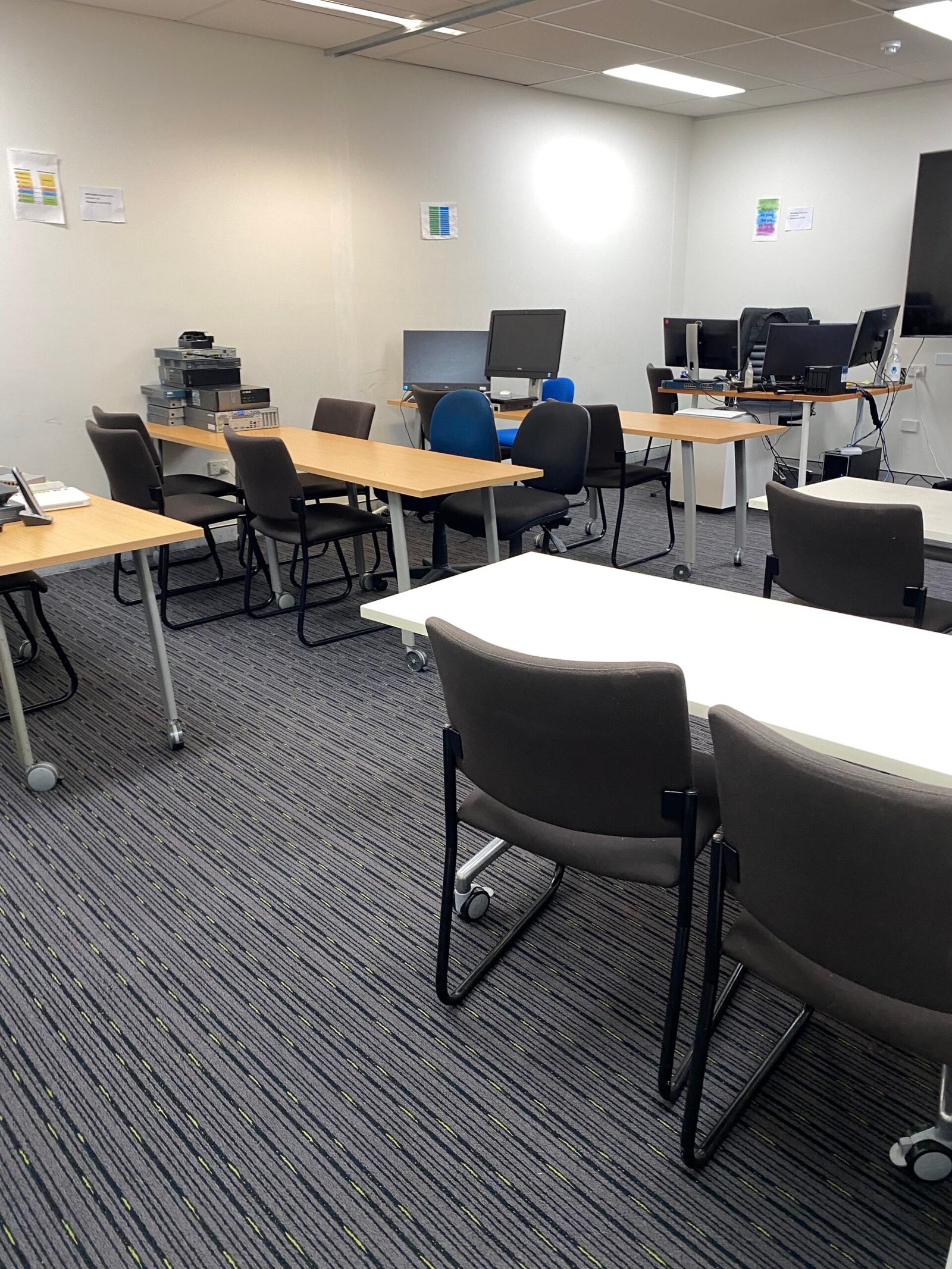
Every Sydney business manager knows the sinking feeling of walking into a workspace that looks neglected. Overflowing bins at 9 AM, smudges on the glass meeting room doors, or that faint, musty smell in the carpet that no amount of air freshener seems to mask. It’s not just an annoyance; it’s a liability.
In 2026, hiring the wrong commercial cleaner costs Sydney businesses an estimated $15,000 to $40,000 annually in lost productivity, compliance failures, and accelerated asset depreciation. But navigating the commercial cleaning market is frustrating. With over 15,000 registered cleaning businesses in Sydney, how do you distinguish the true professionals from the “mop-and-bucket” operators who vanish when problems arise?
This guide is your definitive playbook. We’ve analysed over 50+ Sydney commercial cleaning contracts, the top 10 commercial cleaning service providers, and the latest 2026 industry rates to bring you transparent pricing, rigorous selection criteria, and proven ROI data. Whether you manage a bustling CBD office, a sterile healthcare clinic, or a high-traffic retail space, this guide reveals exactly what you need to know to protect your people, your brand, and your bottom line.
What You Will Learn:
- Definition & Scope: What actually counts as “commercial cleaning” (and what doesn’t).
- True Costs: Real 2026 pricing examples for Sydney suburbs (no hidden fees).
- Selection Strategy: How to vet providers using our 100-point scorecard.
- Contracts: The essential clauses that protect you from poor service.
What Is Commercial Cleaning?
At its core, commercial cleaning is specialised facility hygiene management for businesses and public spaces. Unlike residential cleaning, which focuses on aesthetic tidiness for private homes, commercial cleaning is a systematic, compliance-driven discipline designed to protect public health, ensure workplace safety, and maintain professional standards in high-traffic environments. It is not just “cleaning for businesses.” It is a critical operational service that involves:
- Regulatory Compliance: Adhering to WHS Act 2011 standards and SafeWork NSW codes.
- Specialised Equipment: Using industrial-grade scrubbing machines, HEPA-filter vacuums, and encapsulation carpet extractors.
- Trained Personnel: Staff qualified in chemical handling (SDS), infection control, and site-specific security protocols.
Industry Classification and Scale
In Australia, commercial cleaning falls under ANZSIC Code 7321 (Building and Other Industrial Cleaning Services). It is a massive economic engine, contributing over $9.8 billion in revenue nationally as of 2026.
- Workforce: Over 140,000 people enter commercial premises every night to clean, with 35,000+ in NSW alone.
- Sydney Market: The Greater Sydney region hosts detailed networks of providers, ranging from large multi-national facility management firms to specialised local operators.
Commercial vs. Residential vs. Industrial Cleaning
Understanding the difference is vital for hiring the right team. A residential cleaner is not equipped for a corporate office, and a commercial cleaner may not have the heavy machinery for an industrial factory.
|
Aspect
|
Commercial Cleaning
|
Residential Cleaning
|
Industrial Cleaning
|
|---|---|---|---|
|
Primary Setting
|
Offices, Retail, Hospitality, Medical
|
Private Homes
|
Factories, Warehouses, Plants
|
|
Frequency
|
Daily to 3-5x Weekly
|
Weekly or Fortnightly
|
Daily + Shift Cycles
|
|
Key Focus
|
Hygiene, Presentation, Consistency
|
Aesthetics, Detail, Personal Preference
|
Safety, Machinery, Hazard Removal
|
|
Equipment
|
Floor Scrubbers, Buffers, Backpack Vacuums
|
Domestic Vacuums, Mops
|
Pressure Washers, Sweepers, Degreasers
|
|
Compliance
|
High (WHS, Insurance, SDS)
|
Low (Informal)
|
Extreme (HACCP, Confined Space)
|
|
Cost Model
|
Fixed Monthly Contract or $35-$50/hr
|
Hourly ($40-$60/one-off)
|
Hourly ($45-$80) or Project-Based
|
Many small business owners think they can save money by having administrative staff empty their own bins or wipe down the kitchen. In reality, the hidden costs are massive.
- Lost Productivity: If an employee on $65k/year spends just 15 minutes a day cleaning, that costs you over $3,000 annually in lost work time, far more than a basic cleaning service.
- Poor Results: Untrained staff move dirt around rather than removing it. They don’t know dwell times for disinfectants or how to prevent cross-contamination.
- Morale Killer: Nothing lowers professional staff morale faster than being asked to scrub a toilet.
Professional services like Spotzi’s office cleaning eliminate these trade-offs. Our teams are trained, efficient, and background-checked, ensuring your staff can focus entirely on their high-value
Office Cleaning: A Specialised Subset
Commercial office cleaning is the most common form of commercial service. It focuses on corporate workspaces, including reception areas, workstations, meeting rooms, and break rooms. The goal is to create a pristine environment that enhances focus and impresses clients. In Sydney’s CBD, where density is high, this often involves rigorous after-hours security protocols and specialised waste management (e.g., secure document disposal).
Why Commercial Cleaning Matters for Your Businesses?
Viewing cleaning as a discretionary expense is a strategic error. In 2026, facility hygiene is an investment in risk management and productivity.
1. Health & Productivity ROI
A comprehensive study by the University of Melbourne found that professional cleaning leads to an 18% reduction in employee sick days.
- For a small office of 10 staff, preventing 1.8 sick days per person per year saves approximately $4,500 in direct wages (assuming $250/day cost), plus the intangible value of uninterrupted workflows.
- Professional ATP testing consistently shows that “staff-cleaned” desks harbor 400% more bacteria than toilet seats. Professional disinfection brings these levels down to safe standards (<100 RLU).
2. The Broken Windows Theory
Your office environment speaks before you do.
- Client Perception: 76% of visitors judge a business’s credibility based on the cleanliness of its reception and restrooms.
- Tenant Retention: For property managers, high standards of cleanliness are the #1 driver of lease renewals, with 23% higher retention in premium-cleaned buildings.
3. Protecting Asset Lifespan
Carpet and hard floors are expensive assets.
- Neglect: Dirt acts like sandpaper. Without regular vacuuming and periodic extraction, commercial carpet fibres break down in 5-7 years.
- Maintenance: Proper commercial cleaning extends carpet life to 12+ years. Deferring a $20,000 recarpeting job by 5 years saves you over $800/year in amortised capital costs.
What Are the Types of Commercial Cleaning Services?
A robust commercial cleaning strategy isn’t just one thing, it’s a layered approach combining daily maintenance with periodic deep cleaning.
1. Daily & Routine Cleaning
This is the heartbeat of facility management.
- Frequency: Daily (High traffic), 3x Weekly (Medium), or Weekly (Low traffic).
- Inclusions: Bin emptying, workstation spot cleaning, kitchen sanitation, restroom detailing, and vacuuming traffic lanes.
- Timing: Usually performed after-hours (6 PM – 6 AM) to minimise disruption, though day-cleaning is trending for energy savings.
2. Periodical Deep Cleaning
Routine cleaning maintains the status quo; deep cleaning restores the standard.
- Carpet Extraction: Steam or encapsulation cleaning to remove deep-set soil.
- Window Cleaning: Internal glass partitions and external high-rise cleaning.
- Strip and Seal: For vinyl or terrazzo floors, this process involves removing old polish and applying new protective coats.
- High Dusting: Cleaning vents, pipes, and light fixtures is often neglected in daily rounds.
3. Specialty Verticals
Different industries have vastly different critical success factors for cleaning.
- Medical & Healthcare: Focus on TGA-approved disinfectants, cross-contamination prevention (colour-coding), and terminal cleaning protocols.
- Childcare & Education: Requires police-checked staff (WWCC), non-toxic chemicals, and rigorous sanitisation of sandpits and toys.
- Industrial & Warehousing: Heavy-duty degreasing, ride-on scrubbing for large concrete aprons, and safety-focused logic.
- Retail & Gyms: High-frequency touchpoint sanitisation, mirror polishing, and odour control in change rooms.
Generalist cleaners often lack the specific training and insurance for these sensitive environments. Using a generic cleaner for a medical centre or childcare facility opens you up to compliance risks.
Expertise Matters: Spotzi specialises in these high-compliance verticals. Whether it’s childcare cleaning requiring Working With Children Checks, or gym hygiene to combat MRSA and bacteria, our teams receive industry-specific training modules to ensure total compliance.
What Are the Commercial Cleaning Processes?
- Initial site assessment: The process begins with a detailed on-site inspection to understand the size of the premises, traffic levels, flooring types, compliance requirements, and any high-risk areas. This allows the cleaning provider to create a tailored scope of work.
- Scope development and scheduling: A clear cleaning plan is prepared outlining tasks, frequency (daily, weekly, periodic), special requirements, and access times. This ensures consistency and avoids service gaps.
- Preparation and safety setup: Before cleaning begins, staff follow WHS procedures, place safety signage where required, check equipment, and ensure chemicals are correctly diluted according to Safety Data Sheets (SDS).
- Dry cleaning (dust and debris removal): Vacuuming with HEPA-filter equipment removes loose dirt, dust, and allergens from carpets and hard floors. This step prevents dirt from turning into muddy residue during wet cleaning.
- Surface cleaning and wiping: Desks, benches, skirting boards, switches, and other surfaces are wiped using microfibre cloths and appropriate cleaning solutions to remove soil and fingerprints.
- Washroom and kitchen sanitising: High-use areas such as toilets, basins, taps, and kitchen benches are thoroughly cleaned using suitable disinfectants. Colour-coded systems are used to prevent cross-contamination.
- Floor care and machine cleaning: Hard floors may be machine-scrubbed using auto-scrubbers, while carpets may receive periodic deep cleaning, such as hot water extraction. This step maintains hygiene and extends floor lifespan.
- Disinfection of high-touch points: After surfaces are cleaned, high-touch areas such as door handles, lift buttons, handrails, and shared equipment are disinfected to reduce the spread of bacteria and viruses.
- Waste removal and consumable restocking: Bins are emptied, liners replaced, and consumables such as soap, paper towels, and toilet paper are replenished as required.
- Final inspection and quality check: A supervisor or team leader inspects the completed work to ensure standards are met. Any issues are corrected immediately to maintain consistent service quality.
Commercial Cleaning Frequency & Scheduling Optimisation
The Occupancy Density Formula
A simple rule of thumb for Sydney offices:
- Low Density (>15m² per person): 2x Weekly is often sufficient.
- Medium Density (10-15m² per person): 3x Weekly is the standard.
- High Density (<10m² per person): Daily cleaning is mandatory to prevent hygiene degradation.
Carpet Cleaning Frequency Guide
Don’t wait for the carpet to look dirty. By then, the fibers are already damaged.
- Reception/Hallways: Every 3-6 months.
- General Office Areas: Every 6-12 months.
- Meeting Rooms: Every 6 months.
- Low Traffic Archives: Every 12-18 months.
For a deeper dive into methods and preservation strategies, read our detailed guide to commercial carpet cleaning.
There is a myth that “green” products are weak. In 2026, that is false. Modern bio-enzymatic cleaners and hydrogen-peroxide-based disinfectants (like regular GECA-certified products) are just as potent as bleach but break down into water and oxygen. We use eco-friendly, GECA-certified products that meet Green Star building efficiency requirements. You get hospital-grade sanitation without the harsh chemical residues or environmental guilt.
What is the Average Cost Of Commercial Cleaning in Syndey?
Price is the elephant in the room. Most websites hide it; we publish it. Transparency allows you to budget effectively.
Smart businesses don’t just “cut costs”, they optimise. They might reduce frequency from 5 days to 3 days, but increase the quality of each visit. They adhere to fixed monthly contracts, which attract an 8-12% discount compared to casual hourly billing. We offer fully transparent pricing models. Get your custom quote today to see exactly how we can tailor a scope to fit your financial targets.
Sydney Region Pricing Map (Hourly Rates)
Location impacts labor costs due to travel time, parking, and labor supply.
|
Region
|
Rate Range (ex GST)
|
Why the Difference?
|
|---|---|---|
|
Sydney CBD
|
$40 - $55 / hr
|
Parking costs ($30+/day), high access difficulty, stringent security.
|
|
Inner West / East
|
$35 - $48 / hr
|
Moderate parking, high demand.
|
|
North Shore
|
$35 - $48 / hr
|
Corporate density keeps rates competitive.
|
|
Western Sydney
|
$30 - $40 / hr
|
Lower overheads, easier parking, local labor availability.
|
|
Hot Water Extraction
|
$4.50 to $6.50
|
$2,250 to $3,250
|
10 Real Contract Examples (Monthly Costs)
To give you a concrete benchmark, here are 10 typical scenarios we see in the Sydney market:
1. Small Suburban Office: (100m², Parramatta, 2x Weekly)
- Cost: $520 – $650 / month
- Includes: Basics, bins, vacuum, toilets.
2. Medium CBD Office: (300m², City, 5x Weekly)
- Cost: $2,800 – $3,200 / month
- Includes: Full daily detail + monthly kitchen deep clean.
3. Busy Cafe: (80m², Bondi, Daily 7 days)
- Cost: $1,800 – $2,200 / month
- Includes: Heavy floor scrubbing, grease removal, and toilet sanitation.
4. Medical Clinic: (150m², Chatswood, Daily Mon-Fri)
- Cost: $1,800 – $2,000 / month
- Includes: Clinical disinfection, bio-waste handling (premium for compliance).
5. Childcare Centre: (250m², Lane Cove, Daily Mon-Fri)
- Cost: $2,700 – $3,000 / month
- Includes: Toy sanitisation, non-toxic chemicals, and labour premium for background checks.
6. Industrial Warehouse: (2,000m², Wetherill Park, 2x Weekly)
- Cost: $1,600 – $1,900 / month
- Includes: Ride-on scrubbing of floors, office amenities, and lunchroom.
7. Retail Store: (120m², Westfield Parramatta, Daily 7 days)
- Cost: $1,100 – $1,400 / month
- Includes: 1-hour rapid clean (floors, glass, dusting) before opening.
8. Gym Context: (400m², Surry Hills, Daily 7 days)
- Cost: $3,400 – $3,800 / month
- Includes: 3 hours/day. Equipment wipe-down, shower scrubbing, mirrors, sweat/odour control.
9. Co-Working Space: (600m², Pyrmont, Daily 7 days)
- Cost: $4,800 – $5,500 / month
- Includes: High-touch focus (100+ desks), continuous kitchen rotation.
10. Strata Common Areas: (150 Units, North Sydney, 3x Weekly)
- Cost: $2,600 – $3,000 / month
- Includes: Lobbies, lifts, corridors, gym, bin rooms ($18 per unit/month).
Size is only one factor. The price driver is density and complexity. An open-plan office with 5 staff creates 10% of the mess of a call centre with 50 staff in the same square meterage. Add in “scope creep” (requesting dishwashing, fridge cleaning, or plant watering) and costs rise.
Your cost depends on 8 specific factors. Spotzi’s free assessment provides a scientifically calculated price within 24 hours, not a generic estimate.
For a breakdown of hourly rates vs. square meter rates, read our commercial cleaning cost guide 2026.
How to Choose the Right Commercial Cleaning Service Provider in Sydney?
Choosing the right commercial cleaning service provider is not just about price. It’s about compliance, reliability, risk management, and long-term performance.
- Check insurance coverage: Ensure the company holds at least $20 million public liability insurance along with workers’ compensation coverage. This protects your business from financial and legal risk if an incident occurs on-site.
- Review the scope of work carefully: The proposal should clearly outline all cleaning tasks, frequency, consumables, and any periodic services. A detailed scope prevents misunderstandings and service gaps.
- Assess industry experience: Choose a company with proven experience in your sector, whether office, medical, industrial, strata or education, as each environment has different compliance and hygiene requirements.
- Evaluate equipment and cleaning systems: Professional cleaners should use HEPA-filter vacuums, commercial-grade machinery, and colour-coded systems to prevent cross-contamination.
- Ask about quality control processes: Reliable providers conduct regular audits, have site supervisors, and maintain clear communication channels for handling feedback or issues.
- Verify staff screening procedures: Depending on your industry, cleaners may require police checks, Working With Children Checks, and right-to-work verification.
- Ensure pricing transparency: The quote should clearly explain what is included and excluded. Hidden costs often lead to disputes later.
- Watch for red flags: Be cautious of generic proposals, unclear documentation, unrealistic pricing, or heavy subcontracting without transparency.
- Request a site inspection before signing: A professional cleaning company should always conduct an on-site assessment and provide a tailored proposal based on your premises.
Wrapping Up
Commercial cleaning isn’t about emptying bins; it’s about enabling your business to thrive. It’s about the peace of mind that comes from knowing your workplace is safe, compliant, and welcoming every single morning.
Don’t settle for “good enough.” Choose a partner that treats your facility with the same respect you do. Ready to upgrade your cleaning standards?
Frequently Asks Questions
What should I expect during a commercial cleaning quote/assessment?
A professional assessment takes 20-30 minutes. We look at floor types, traffic flow, and hygiene hotspots. It’s not a sales pitch; it’s a site audit. Book your free consultation with Spotzi. We provide a detailed proposal within 24 hours.
What information should I have ready before requesting a commercial cleaning quote?
To get the fastest, most accurate price, know your approximate floor size (m²), your preferred frequency (e.g., “3 times a week”), and any specific pain points (e.g., “our current cleaner misses the skirting boards”).
What's a realistic timeline from first contact with a cleaning company to actually having them start service?
In an emergency, we can start in 48 hours. Typically, we allow 1 week for a smooth onboarding (keys, alarm codes, staff induction). Contact Spotzi today, and we can have your office sparkling within 5-7 business days.