
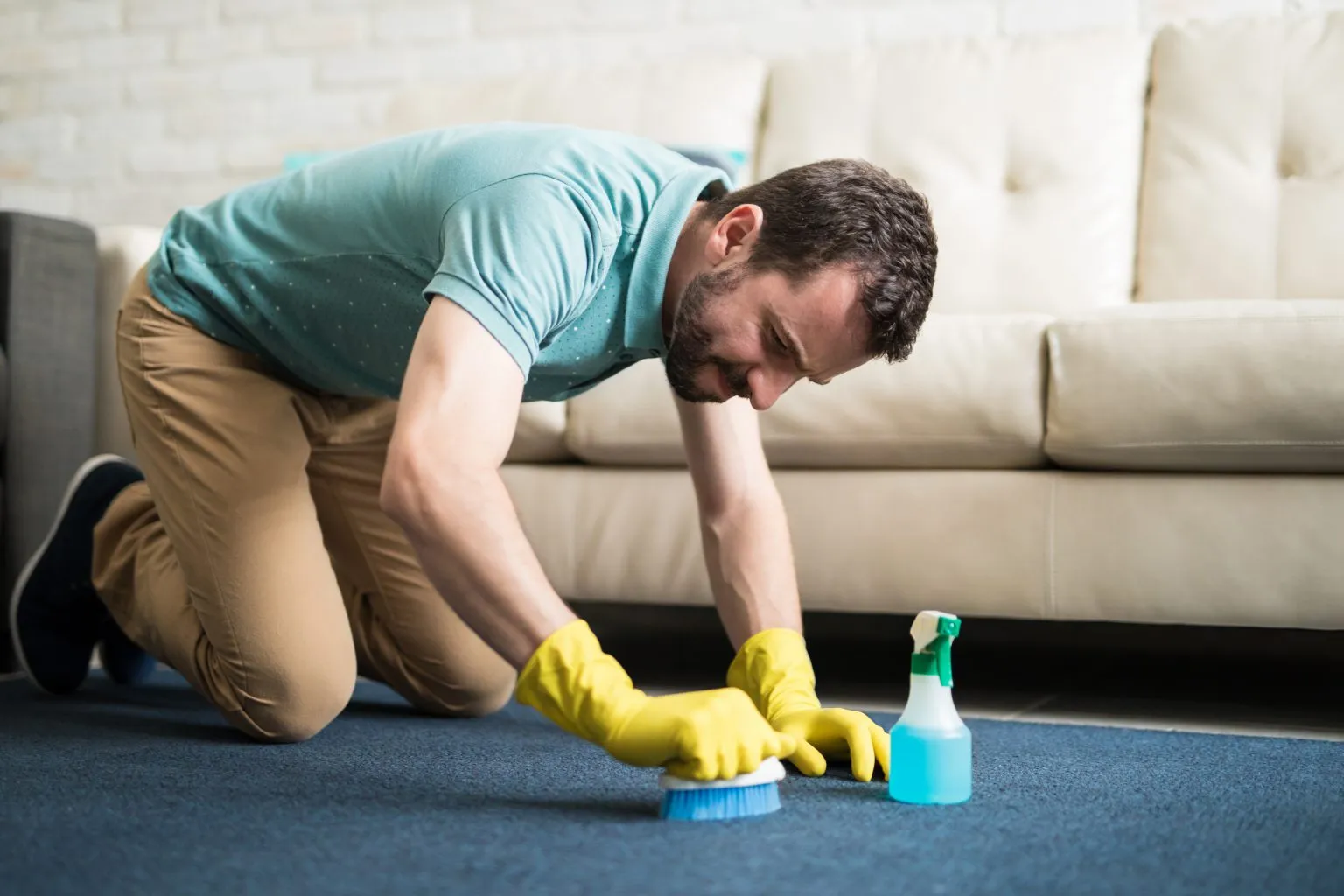
Your carpet does not just sit on the floor collecting foot traffic. It traps every particle that floats through your home, pollen, pet dander, skin cells, bacteria, and the trace residues from whatever was on the bottom of your shoes when you came in from the street. Most Sydney households vacuum regularly and feel like that is enough. It is not.
But here is where things get complicated. Many of the conventional cleaning products that people reach for are doing more harm than good. They strip fibres, leave sticky residue that attracts more dirt, and release Volatile Organic Compounds (VOCs) into the same air your children and pets spend their entire day breathing.
Eco-friendly carpet cleaning methods resolve this contradiction. They clean effectively, leave nothing harmful behind, and work with the material science of the carpet rather than against it.
This guide covers every method in detail, including what works and what does not, the science behind each technique, and when you genuinely need a professional rather than a DIY solution.
Why Eco-Friendly Carpet Cleaning Actually Matters?
There is a persistent myth that “green” cleaning means a weaker clean. The assumption is that without harsh chemicals, you cannot tackle serious soil, deeply embedded allergens, or stubborn stains. That assumption is wrong, and the science explains why.
The VOC Problem in Conventional Cleaning
Volatile Organic Compounds are gases released by certain solids and liquids. Most conventional carpet shampoos and solvent-based cleaners contain compounds such as naphthalene, perchloroethylene, and formaldehyde. These do not evaporate immediately. They off-gas for hours and days into the air of your home, which the Australian Government’s Department of Health has classified as a significant contributor to poor indoor air quality.
The consequences are not abstract. High VOC exposure triggers headaches, nausea, asthma attacks, and, in long-term exposure, more serious respiratory conditions. For families with young children, elderly members, or anyone with asthma, this is a material risk every time you use the wrong cleaning product.
The Residue Problem
Traditional carpet shampoos often leave a film on the fibres. That film feels clean for a day or two. Then it starts acting like a magnet, bonding with dust, oils, and anything else that touches the carpet. Within two to three weeks, the carpet often looks worse than it did before cleaning. This cycle drives people to clean more frequently and use more product, compounding the VOC and chemical load in the home.
Eco-friendly methods, whether baking soda, plant-based surfactants, or steam, do not leave this residue. The carpet stays cleaner longer after a proper green clean than after a conventional chemical shampoo.
Protecting Sydney's Waterways
This is a Sydney-specific concern that many cleaning guides gloss over. Whatever goes down the drain during or after carpet cleaning travels through the stormwater system. Sydney’s stormwater network leads directly to receiving environments, including Sydney Harbour, Botany Bay, and our beaches.
Phosphates and synthetic surfactants in conventional cleaners contribute to algal blooms and kill aquatic life. Biodegradable, plant-based alternatives break down before they reach those environments.
What Are the Eco-Friendly Carpet Cleaning Methods?
There is not one single eco method. There are several, each with a specific use case, effectiveness range, and appropriate application. Knowing which one to use in which situation is the difference between a good result and a wasted afternoon.
1. Hot Water Extraction (Steam Cleaning)
Hot water extraction is the most powerful eco-friendly cleaning method available and is widely recognised as the gold standard for deep residential cleaning and commercial cleaning. Despite the common name “steam cleaning,” the process primarily uses hot pressurised water, not steam alone.
How It Works?
- A machine heats water to between 70 and 100 degrees Celsius and injects it under high pressure into the carpet pile.
- This breaks the adhesion between dirt particles and the fibres at a molecular level.
- The machine then vacuums the water back out along with the dissolved soil, allergens, bacteria, and dissolved oils.
- Professional truck-mounted systems generate a vacuum lift of 400 to 600 inches of water, compared to 100 inches or less from rental units. That difference in suction power dictates the drying time.
- A professional extraction leaves carpets dry in 2 to 4 hours. A rental machine can leave them damp for 24 hours or more.
The Eco Advantage
At temperatures above 80 degrees Celsius, heat alone kills dust mites, bacteria, and the most common carpet pathogens. This eliminates the need for chemical disinfectants. When a plant-based pre-spray is used for pre-treatment, the entire process can be completed without any synthetic chemistry.
Best For
Annual deep cleans, heavily soiled carpets, home preparation before a new baby, and end-of-lease carpet cleaning where property managers require professional-grade extraction evidence.
2. Dry Carpet Cleaning (Low Moisture Process)
This method is designed for situations where drying time is critical or where the carpet material is not suited to water immersion.
How It Works?
- A specially formulated dry compound, often a biodegradable sponge-like granulate, is spread across the carpet and worked into the fibres using a counter-rotating brush machine.
- The compound absorbs oils, loosens dirt, and lifts it away from the fibre.
- After a brief dwell time, the entire compound is extracted via powerful vacuuming, taking the soil with it. The carpet is usable within 30 to 60 minutes.
The Eco Advantage
Low moisture means dramatically reduced risk of mould and mildew, which is particularly important in Sydney’s humid coastal climate. Modern dry compounds use biodegradable, non-toxic plant-based ingredients.
Best For
Commercial offices, retail spaces, rentals needing immediate re-occupation, delicate wool carpets, and antique rugs that would be damaged by water immersion.
3. Encapsulation Cleaning
Encapsulation technology represents the most modern approach to low-impact carpet maintenance.
How It Works?
- A specialised solution containing synthetic polymers is sprayed onto the carpet and agitated with a counter-rotating brush machine.
- The polymers form a crystal lattice around individual dirt particles as they dry.
- These crystals detach from the fibre as the carpet dries and are then removed by routine vacuuming over the following day or two.
The Eco Advantage
Encapsulation uses minimal water, dries fast, and leaves no sticky residue. The crystallised particles are mechanically removed rather than dissolved and washed away, making this one of the lowest chemical-load options available for interim maintenance.
Best For
Monthly or quarterly maintenance between annual deep extractions, particularly for commercial spaces.
4. Bonnet Cleaning
Bonnet cleaning is a surface method used primarily for commercial maintenance.
How It Works?
- A rotary machine fitted with an absorbent pad (the bonnet) is passed over the carpet surface after an eco-friendly cleaning solution is applied.
- The pad picks up surface-level soil and is swapped or rinsed as it becomes soiled.
The Limitation:
It does not reach deep into the pile. It is a maintenance tool, not a deep cleaning solution. Used alongside periodic hot water extraction, it keeps commercial spaces looking fresh between major cleans.
DIY Eco-Friendly Carpet Cleaning Methods That Actually Works
Not every cleaning task requires a professional. For routine deodorising, spot treatments, and light surface maintenance, a well-made natural solution is highly effective. These are evidence-based recipes, not guesswork.
1. Baking Soda for Deodorising
Baking soda (sodium bicarbonate) neutralises acidic odour molecules rather than covering them with a synthetic fragrance. It is one of the most effective natural deodorisers available and costs almost nothing.
- Method: Sprinkle a generous, even layer over the entire carpeted area. For localised stains or pet spots, work it gently into the pile with a soft brush.
- Dwell time: Minimum 30 minutes. For serious odours like old pet urine, leave overnight.
- Removal: Vacuum thoroughly with a HEPA filter vacuum cleaner.
Tip: Add 5 to 10 drops of eucalyptus or lavender essential oil to the baking soda before sprinkling for an added antimicrobial effect and a natural scent.
2. Vinegar and Water Solution
White vinegar contains acetic acid, which is effective at dissolving alkaline salt deposits and residue from previous chemical cleanings. It also acts as a mild disinfectant.
- Ratio: 1 part white vinegar to 2 parts distilled water. For tougher soiling, add 1 teaspoon of salt per cup of water.
- Application: Lightly mist the solution onto the area. Do not saturate, as over-wetting causes wick-back staining as the carpet dries.
- Important: If you want to add essential oil for fragrance, use only clear colored oils. Colored oils can stain light carpets permanently.
Note: The vinegar smell is strong when wet but dissipates completely as the carpet dries.
3. Club Soda for Fresh Stains
The carbonation in club soda provides a gentle mechanical lifting action that is particularly effective on fresh tannin stains like red wine, coffee, and tea.
- Method: Blot the spill immediately with a dry white cloth to absorb as much liquid as possible. Do not rub. Pour club soda directly onto the remaining stain. The bubbles lift the pigment toward the surface.
- Finish: Blot with a fresh white cloth until the stain transfers. Repeat as needed.
4. Cornstarch for Oil and Grease
Grease is one of the most destructive substances for carpet fibres. If left, it oxidises and bonds permanently with the fibre structure.
- Method: Act immediately. Cover the entire grease spot with a thick layer of cornstarch. Do not press it in. Let it absorb for 4 to 6 hours.
- Removal: Vacuum the cornstarch away. If residual tackiness remains, follow with a very light application of the club soda method.
5. Castile Soap Solution
Liquid Castile soap is derived from plant oils (typically olive or coconut). It is fully biodegradable, free from synthetic surfactants, and gentle enough for delicate fibres.
- Ratio: 1 tablespoon of liquid Castile soap per 500ml of warm water.
- Method: Dampen a clean white cloth with the solution and apply it to the soiled area using gentle circular motions. Blot with a dry cloth to lift the loosened dirt. Rinse the area lightly with plain water and blot dry.
6. Lemon Juice for Light Stains
The citric acid in fresh lemon juice has natural bleaching properties, making it effective on light colored carpets with fruit juice or tea stains.
- Method: Mix equal parts fresh lemon juice and water. Apply the stain and let it sit for 10 minutes. Blot with a clean cloth. Do not use on dark colored carpets, as the lightning effect may cause uneven colour.
7. Dry Powder Cleaning at Home
For delicate rugs or when you want a completely waterless clean, fine natural powders can provide surface-level soil absorption.
- Commercial options: Look for products using natural cellulose, corn cob derivatives, or oxygen-activated plant-based compounds.
- DIY option: A mix of fine baking soda and cornstarch in a 2:1 ratio sprinkled on the carpet, left for 2 hours, and vacuumed away provides light dry cleaning action.
Eco-Friendly Carpet Cleaning Methods: A Quick Comparison
|
Method
|
Target Problem
|
Effort Level
|
Drying Time
|
Fiber Safety
|
|---|---|---|---|---|
|
Baking Soda
|
Odors, light surface soil
|
Very Low
|
Immediate
|
All fibers including wool
|
|
Vinegar Solution
|
Salt deposits, mild stains
|
Low
|
30 to 60 mins
|
Synthetic and nylon
|
|
Club Soda
|
Fresh tannin stains
|
Very Low
|
30 to 60 mins
|
All fibers
|
|
Cornstarch
|
Fresh grease and oil
|
Low
|
Immediate
|
All fibers
|
|
Castile Soap
|
Moderate soil, gentle scrub
|
Medium
|
1 to 2 hours
|
All fibers including wool
|
|
Lemon Juice
|
Light bleachable stains
|
Low
|
30 mins
|
Light colored carpets only
|
|
Hot Water Extraction
|
Deep soil, allergens, bacteria
|
High / Professional
|
2 to 4 hours
|
All fibers (professional)
|
Eco-Friendly Wool Carpet Cleaning Options
Wool is a premium natural fibre and among the most eco-friendly carpet materials you can choose. It is renewable, biodegradable, and naturally resistant to soil. However, it also requires a completely different cleaning approach to synthetic fibres.
Why Wool Cannot Be Treated Like Nylon?
Wool is a protein fibre. Alkaline chemicals (pH above 8.5) break down the protein structure, causing fiber brittleness, colour loss, and permanent yellowing known as browning.
High heat can cause individual fibres to interlock irreversibly, causing permanent shrinkage. Most conventional carpet shampoos are highly alkaline and applied hot, making them genuinely destructive for wool.
The Correct Approach for Wool
- pH control: All solutions used on wool must be pH neutral or mildly acidic (pH 5.5 to 7.5). Baking soda (pH 8 to 9) should be used sparingly and rinsed thoroughly. Vinegar solution is a safer choice for wool due to its mild acidity.
- Temperature control: Hot water extraction on wool must use lower temperatures (below 60 degrees Celsius) compared to synthetic fibre protocols.
- Drying speed: Because wool absorbs up to 30% of its own weight in water, powerful extraction is critical. Slow-drying wool carpets can develop mould beneath the pile or a permanent musty odour.
- Woolsafe certification: When hiring a professional for wool cleaning, ask specifically whether they use Woolsafe-certified products. This is the Australian and international standard for chemistry proven safe on wool fibres.
Tips For Ongoing Carpet Care
A single annual professional clean is not a maintenance strategy. It is a recovery strategy. Real carpet stewardship requires consistent light maintenance between deep professional treatments.
Maintenance Schedule by Household Type
|
Household Profile
|
Daily Task
|
Weekly Task
|
Professional Clean Schedule
|
|---|---|---|---|
|
Singles / Couples (No pets)
|
Spot treat as needed
|
HEPA vacuum all areas
|
Every 18 months
|
|
Families with children
|
Spot treat as needed
|
HEPA vacuum 3 to 4 times
|
Every 9 to 12 months
|
|
Pet owners (dogs or cats)
|
HEPA vacuum traffic areas
|
Full HEPA vacuum + deodorize
|
Every 6 months
|
|
Allergy or asthma sufferers
|
Vacuum daily with HEPA
|
Full HEPA vacuum + natural deodorize
|
Every 4 to 6 months
|
|
Commercial / Office spaces
|
Daily light vacuum
|
Deep vacuum all areas
|
Every 3 to 6 months
|
Simple Ongoing Habits That Make a Difference
- Use doormats at every entrance: A quality outdoor mat removes up to 80% of the tracked-in soil before it reaches the carpet.
- Always blot, never rub: Rubbing spreads stain molecules laterally and pushes them deeper into the pile.
- Address spills immediately: The longer a liquid sits, the deeper it penetrates and the more likely it is to bond with the fiber.
- HEPA vacuum properly: Slow, overlapping passes in multiple directions extract far more soil than fast single-direction vacuuming.
Eco Friendly Carpet Cleaning Improves Health and Environments
Indoor Air Quality and Carpet
A well-maintained carpet functions as a passive air filter. It traps particles that would otherwise float freely in the breathing zone. The problem occurs when that filter becomes saturated. An overly soiled carpet stops trapping particulates and begins releasing them back into the air whenever it is disturbed by foot traffic.
Regular eco cleaning resets this function. After professional extraction, a carpet resumes acting as an air filter rather than an air contaminator. Combined with HEPA vacuuming, this significantly reduces the airborne allergen load in the home.
Water Conservation in Sydney
Sydney is classified as a water-stressed region by the New South Wales Government. The low moisture and dry extraction methods described in this guide use up to 95% less water than conventional carpet shampooing machines. For Sydney homeowners looking to reduce their environmental footprint, method selection matters.
What Are the Process of Eco Carpet Cleaning?
A genuine professional eco clean is a structured, multi-step process. It is not simply turning up with a portable machine and running it over the floor.
- Pre-Inspection and Analysis: Identifying the fiber type, current soil level, and any pre-existing conditions like previous water damage, mold, or previous chemical over-treatment.
- Dry Soil Removal: Professional HEPA vacuuming to extract the maximum amount of dry particulate before moisture is introduced.
- Pre-Treatment and Conditioning: Applying a plant based enzyme pre-spray to break down protein stains, oils, and traffic lane buildup.
- Soil Extraction and Rinse: Hot water extraction or dry method as appropriate for the fiber type and conditions.
- Post-Clean Treatment: pH balancing rinse, optional carpet protection application.
- Grooming and Drying: Resetting the pile direction and deploying air movers if necessary.
How Much Does It Cost of Eco Carpet Cleaning?
|
Service
|
Estimated Price Range
|
Notes
|
|---|---|---|
|
Standard Bedroom (12sqm)
|
From $30 per room
|
Base rate, standard soil
|
|
Large Lounge / Open Plan
|
$55 to $90
|
Depends on furniture and soil level
|
|
Staircase (per flight)
|
$35 to $65
|
Additional to room rates
|
|
Pet Odour Treatment
|
$20 to $40 per area
|
Enzyme based, specialist application
|
|
Carpet Protection Coat
|
$15 to $25 per room
|
Extends time between cleans
|
|
Minimum Call Out
|
$99 to $150
|
Sydney metro standard
|
Is This Cheaper Than Replacement?
A professionally maintained carpet with eco methods typically lasts 10 to 15 years. A neglected or chemically over-treated carpet may need replacement in 5 to 7 years. In Sydney, carpet replacement costs of $35 to $80 per square metre; regular professional eco cleaning pays for itself many times over.
Eco Steam Carpet Cleaning vs. Eco Dry Carpet Cleaning: Which Do You Need?
For most Sydney homes, the optimal strategy is one annual eco steam clean combined with quarterly dry encapsulation maintenance. This approach maximises hygiene, extends carpet life, and keeps the environmental impact of cleaning to an absolute minimum.
|
Factor
|
Eco Steam (Hot Water Extraction)
|
Eco Dry (Low Moisture)
|
|---|---|---|
|
Cleaning Depth
|
Deep extraction into backing
|
Surface to mid-pile
|
|
Drying Time
|
2 to 4 hours
|
30 to 60 minutes
|
|
Water Usage
|
Moderate (but extracted out)
|
Very Low
|
|
Recommended For
|
Annual deep clean
|
Regular maintenance
|
|
Wool Safe?
|
Yes, with temperature control
|
Yes, with appropriate compounds
|
|
Mold Prevention
|
Requires fast drying post-clean
|
Low risk due to low moisture
|
Conclusion
Eco-friendly carpet cleaning is not a compromise. Understanding how plant-based surfactants, biodegradable compounds, heat extraction, and natural household chemistry interact with carpet fibers gives you practical power to maintain a cleaner, healthier home without burdening the environment.
For Sydney homeowners managing their own maintenance, the DIY methods in this guide provide effective, immediate solutions. For the deeper clean that genuinely refreshes the fiber, removes allergens, and satisfies tenancy requirements, professional eco extraction is the clear answer.
If you are ready to book or simply want to understand what the right service looks like for your home, start with Spotzi’s Carpet Cleaning in Sydney.
Frequently Asks Questions
Is the steam method safe for all carpet types?
Hot water extraction at professional temperatures is safe for most synthetic fibers including nylon and polyester. For wool and delicate natural fibres, it requires temperature adjustment and Woolsafe certified chemistry. Ask your cleaner directly before booking.
Does carpet steam cleaning need specialised material?
The steam itself requires no chemical additions. However, professional operators typically add a plant-based pre-spray treatment for heavy soil and a pH-neutral rinse aid. The machine itself is specialised, a truck-mounted extractor rather than a consumer-grade steam mop.
How long does it take for my carpets to dry after steam cleaning?
With professional truck-mounted extraction, 2 to 4 hours for most residential carpets. With a rental machine: 6 to 24 hours. Opening windows and using ceiling fans or air conditioning significantly accelerates drying in both cases.
What makes eco carpet cleaning different from standard cleaning?
Standard cleaning relies on synthetic surfactants and solvents that may contain VOCs and leave residue. Eco cleaning uses plant-based chemistry, mechanical action, and heat instead of chemical load to achieve the clean. The results are comparable or better, with zero toxic residue and no indoor air quality impact.
Can eco cleaning deal with mould in carpets?
Mould in carpet is a health hazard and requires specialised treatment. Professional hot water extraction at appropriate temperatures, combined with an antimicrobial plant-based treatment, can remove surface mould. However, if the mould has penetrated the backing or underlay, replacement may be necessary. Do not attempt DIY mould treatment with bleach on carpet.